
Cream Cheese Buttercream Frosting
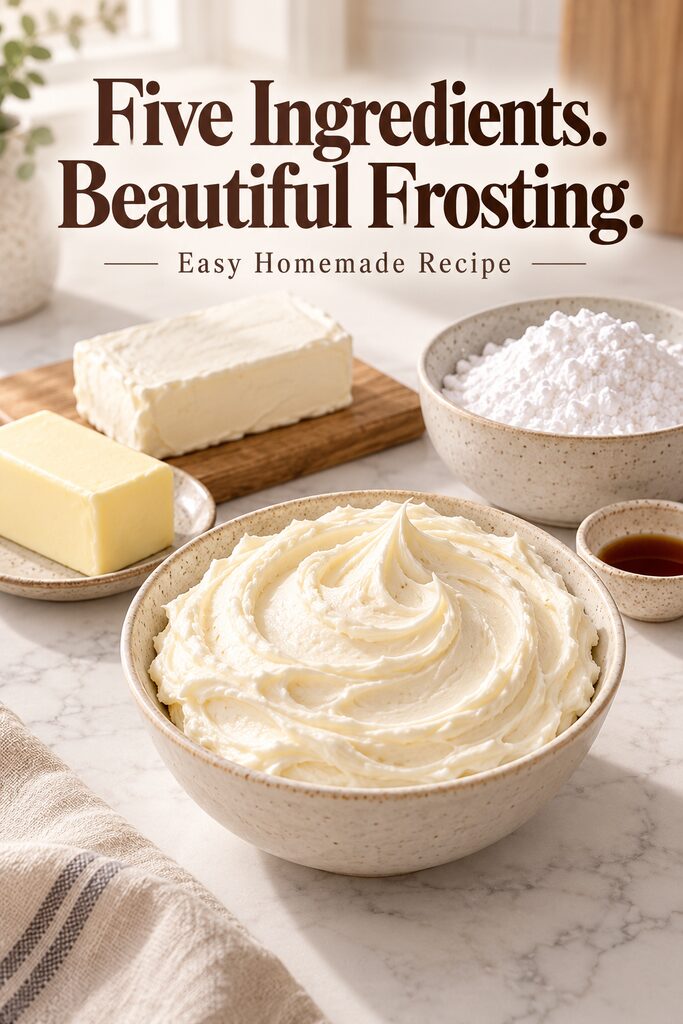
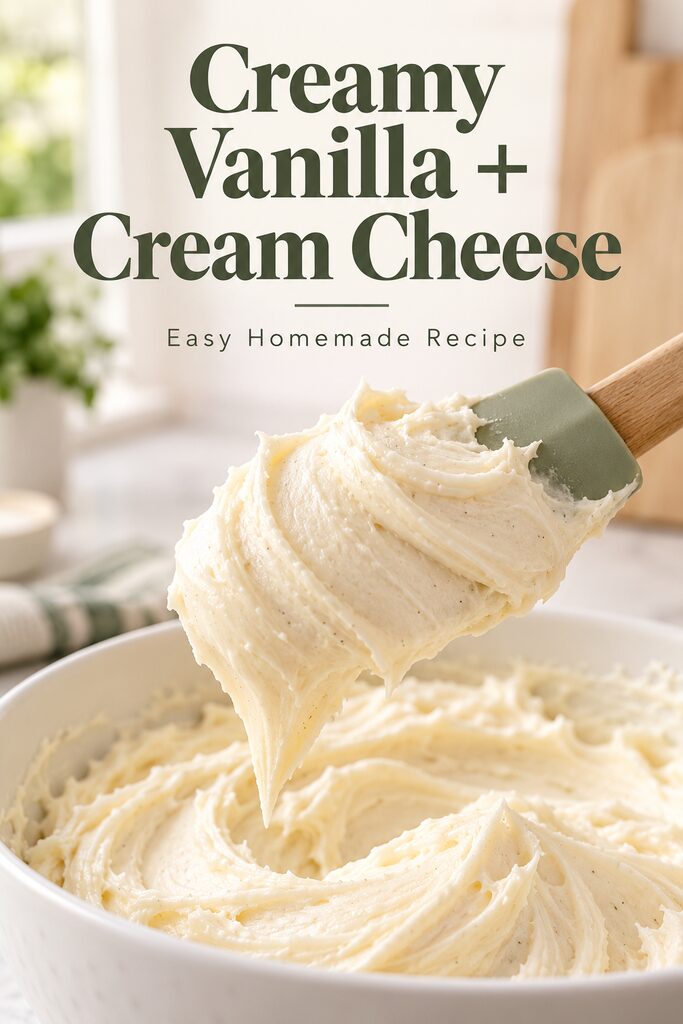
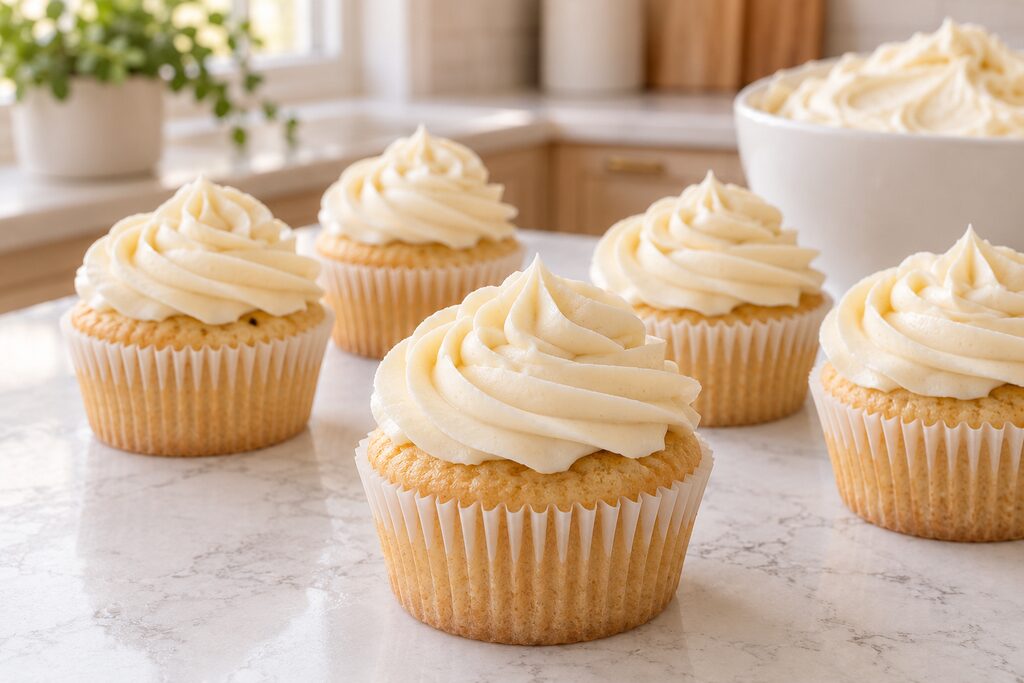
A good frosting should taste just as lovely as it looks. This cream cheese buttercream brings together buttery richness, a little tang, and plenty of vanilla in a smooth frosting you can spread over a cake or pipe onto cupcakes.
It is a natural match for carrot cake and red velvet, but don’t save it for those two. Vanilla cupcakes, pumpkin cake, banana cake, and chocolate cake all welcome a generous swirl. The cream cheese gives the sweetness a little balance, while the butter adds body and a creamy finish.
This post may contain affiliate links which helps me keep this blog alive, questions? View the privacy policy.
Why You’ll Love This Frosting
- Five simple ingredients: butter, cream cheese, powdered sugar, vanilla, and salt.
- Easy to customize: keep it soft for spreading or use a little extra powdered sugar for firmer swirls.
- No cooking required: just a mixer, a bowl, and a spatula.
- Make it ahead: refrigerate it until you’re ready to decorate.
What Is Cream Cheese Buttercream?
This is an American-style buttercream made with both butter and cream cheese. Compared with a cream cheese frosting that uses only a small amount of butter, this version has a more buttery flavor and a little more structure. It still tastes tangy and creamy.
It works well for simple borders, cupcake swirls, and everyday cake decorating when kept cool. It is softer than an all-butter decorating buttercream, so it isn’t the best choice for intricate flowers or a cake that needs to sit in a hot room.
Ingredients You’ll Need
- 1 cup (226 g) unsalted butter: softened enough to indent when pressed, but still cool and holding its shape.
- 8 ounces (226 g) full-fat brick-style cream cheese: slightly softened, still cool, and cut into chunks. Avoid spreadable cream cheese from a tub; its texture can make the frosting too loose.
- 4 cups (480 g) powdered sugar: sift if lumpy. Have another ½ to 1 cup (60–120 g) available if you want a firmer consistency. Cup weights vary by brand and measuring method; weighing is more consistent.
- 2 teaspoons vanilla extract: for a warm vanilla flavor.
- ¼ teaspoon fine salt: to balance the sweetness.
You won’t usually need milk or cream. Cream cheese adds enough moisture on its own, and extra liquid can make piping more difficult.
How to Make Cream Cheese Buttercream Frosting
1. Beat the Butter
Place the butter in a large mixing bowl. Using a hand mixer or a stand mixer fitted with the paddle attachment, beat on medium speed for about 2 minutes, until smooth and slightly lighter in color. Scrape down the bowl.
2. Add the Cream Cheese
Add the cream cheese chunks and mix on medium-low speed just until smooth and combined, about 30–60 seconds. Scrape the bottom and sides of the bowl. Avoid whipping the cream cheese mixture for several minutes.
3. Add the Sugar Gradually
Add the powdered sugar in several portions, mixing on low after each addition so it stays in the bowl. Add the vanilla and salt with the final portion. Scrape the bowl again, then mix on medium-low just until creamy and evenly combined.
4. Adjust the Texture
Lift a spatula through the frosting. For spreading, it should be smooth and hold a soft peak. For piping, it should hold a more defined ridge. If it feels warm or loose, refrigerate it for 15–20 minutes first, then stir and check again. If it still needs more body, mix in extra powdered sugar, ¼ cup at a time.
5. Frost Completely Cooled Bakes
Spread onto a cooled cake or transfer to a piping bag and decorate cooled cupcakes. Warm cake will melt the butter and soften the frosting.
Tips for Smooth Frosting
Watch the temperature. Butter that is greasy or almost melting will give you loose frosting. Very cold butter can leave lumps. Aim for cool, pliable butter and cream cheese that is soft enough to blend without becoming warm.
Chill before adding more sugar. More sugar can thicken frosting, but it also makes it sweeter. A short chill may be all a warm batch needs.
Finish by hand. Slowly press and fold the frosting with a spatula to smooth out some of the air bubbles before spreading it over a cake.
Keep piping bags cool. If your hands soften the frosting while you decorate, put the bag in the refrigerator briefly before continuing.
How Much Does This Recipe Make?
Expect approximately 4 cups, depending on how much sugar you use and how much air is incorporated. That is generally enough for about 18–24 cupcakes with moderate swirls or a generously frosted 9×13-inch cake. Tall cupcake swirls use more frosting. For an 8-inch two-layer cake with filling, exterior frosting, and decorative piping, make 1½ batches to give yourself extra.
Flavor Ideas
- Lemon: add 1–2 teaspoons finely grated lemon zest. Zest adds flavor without extra liquid.
- Cinnamon: mix in ½–1 teaspoon ground cinnamon for pumpkin or apple cake.
- Vanilla bean: replace the vanilla extract with the same amount of vanilla bean paste.
Storage and Make-Ahead Tips
Store the frosting in an airtight container in the refrigerator and use within 3–4 days. Refrigerate cakes and cupcakes decorated with it, too. Let chilled frosting soften just until workable, then mix briefly on low or stir by hand before using.
For longer storage, freeze the frosting in an airtight container for up to 2 months for best quality. Thaw overnight in the refrigerator, then soften slightly and mix briefly before decorating. Texture may need a little stirring after thawing.
For serving, bring out only what you need. Don’t leave cream cheese frosting at room temperature for more than 2 hours total, including preparation and decorating time; shorten that time in hot conditions.
Frequently Asked Questions
Why is my cream cheese buttercream runny?
Common causes are warm ingredients, tub-style cream cheese, extra liquid, or excessive mixing. Chill the frosting first. If needed, add a little more powdered sugar once it is cool. It should be creamy and workable, rather than liquid or pourable.
Can I make it less sweet?
You can start with less powdered sugar, but the frosting will also be softer and the yield will decrease. A lower-sugar version is better for spreading than for defined piping. Avoid adding extra liquid to reduce sweetness.
Can I use salted butter?
Yes. Omit the added salt initially, then taste before deciding whether it needs a pinch.
Does it crust like regular buttercream?
Don’t expect the same firm crust you get with some decorating buttercreams. The cream cheese keeps the texture softer. Refrigerating a decorated cake helps it firm up for handling.
Recipe Card: Cream Cheese Buttercream Frosting
Prep: 15 minutes Cook: none Yield: approximately 4 cups
Time excludes softening ingredients and optional chilling.
Ingredients
- 1 cup (226 g) unsalted butter, cool and softened
- 8 ounces (226 g) full-fat brick-style cream cheese, slightly softened
- 4 cups (480 g) powdered sugar, plus extra as needed
- 2 teaspoons vanilla extract
- ¼ teaspoon fine salt
Instructions
- Beat butter on medium speed for about 2 minutes until smooth. Scrape the bowl.
- Add cream cheese and mix on medium-low for 30–60 seconds, just until smooth.
- Add powdered sugar gradually on low speed. Mix in vanilla and salt. Scrape the bowl and mix briefly until creamy.
- If loose, chill for 15–20 minutes and stir. For firmer frosting, add powdered sugar ¼ cup at a time.
- Spread or pipe onto completely cooled cakes or cupcakes. Refrigerate after decorating.
Notes: Use brick-style cream cheese. Avoid overmixing or adding unnecessary liquid. This frosting is suited to simple piping in cool conditions.