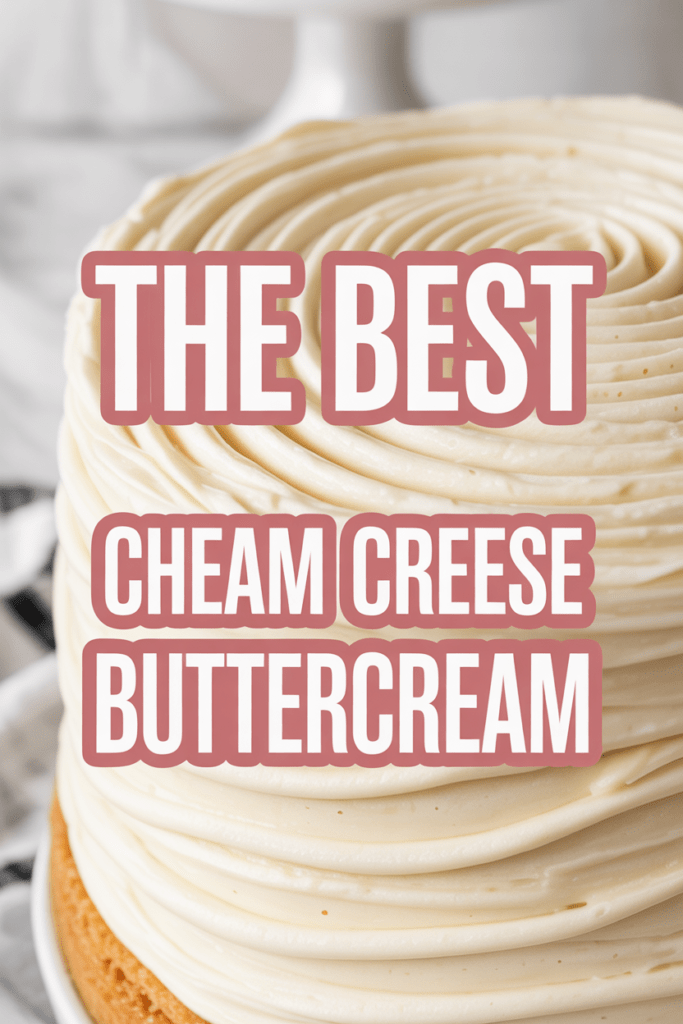

Cream Cheese Buttercream Frosting
Cream cheese buttercream frosting is the quiet overachiever of the baking world. It doesn’t shout. It doesn’t rely on tooth-aching sweetness.
It just shows up silky, tangy, and perfectly balanced—the not-so-sweet buttercream frosting people actually finish eating instead of scraping off the cake.
If you’ve ever stood in your kitchen debating buttercream or cream cheese frosting, this is the one that ends the argument.
This post may contain affiliate links which helps me keep this blog alive, questions? View the privacy policy.
Cream Cheese Buttercream vs Regular Buttercream
This is where most bakers pause mid-recipe and wonder if they’re making the right call. Traditional buttercream frosting is sweet, predictable, and sturdy—but cream cheese buttercream frosting plays a different game. It’s softer, tangier, and far more interesting on the palate.
Regular buttercream leans heavily on powdered sugar for structure and flavor. It pipes beautifully and holds up well in warm rooms, but it can overwhelm delicate cakes and quickly cross into too-sweet territory. It’s reliable, but it rarely surprises anyone.
Cream cheese buttercream frosting, on the other hand, brings contrast. The cream cheese adds a gentle tang that balances sweetness instead of amplifying it. The result is a frosting that tastes lighter—even though it’s just as indulgent—and feels intentional on desserts like red velvet cake, carrot cake, and brownies.
Texture is the tradeoff. A buttercream frosting with cream cheese is naturally softer and slightly less stable than classic buttercream, which means it prefers cooler kitchens and a little patience. But what it gives up in stiffness, it more than makes up for in flavor and crowd appeal.
If you want a frosting that disappears politely into the background, regular buttercream works. If you want one people comment on, scrape from the plate, and ask about later, cream cheese buttercream frosting is the clear winner.
Classic Cream Cheese Buttercream Frosting Recipe
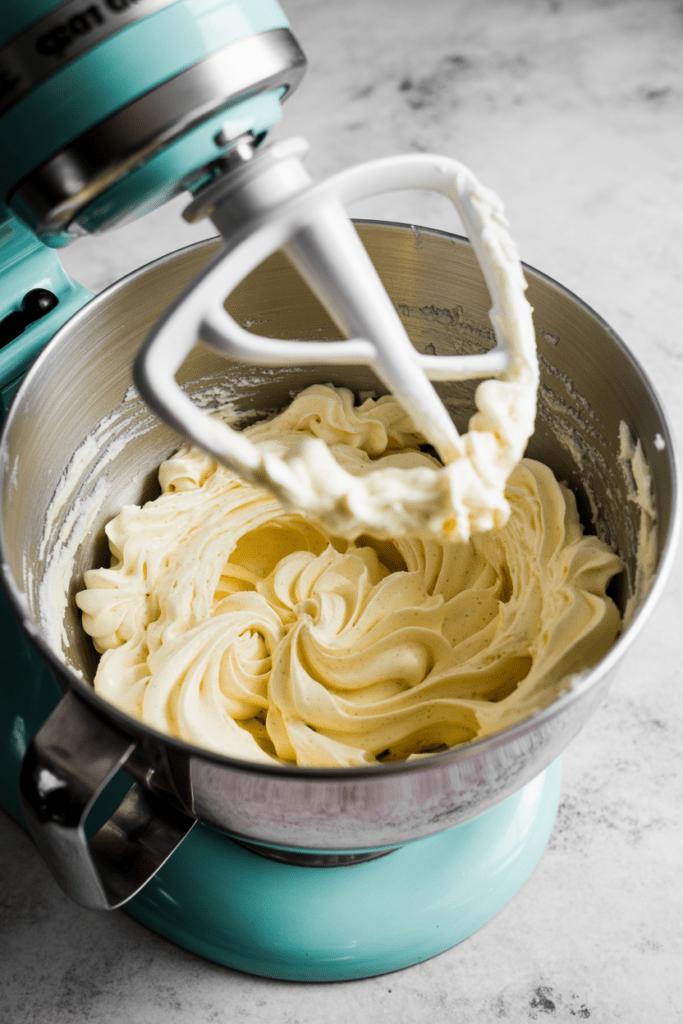
This is the cream cheese buttercream frosting recipe you make once—and then never bother replacing. It’s smooth, lightly tangy, not overly sweet, and sturdy enough for cakes, cupcakes, brownies, and cinnamon rolls without feeling heavy or stiff.
This recipe is designed to be pipeable, spreadable, and forgiving. It holds its shape for swirls and layers, but still melts beautifully on the tongue. No gritty sugar. No greasy finish. Just clean, bakery-style flavor.
What you’ll need:
- Full-fat cream cheese, softened but still cool
- Unsalted butter, room temperature
- Powdered sugar
- Pure vanilla extract
- Heavy cream or milk (as needed)
How it comes together: Start by beating the butter until smooth and creamy, then blend in the cream cheese just until combined. This order matters—it helps prevent a loose, unstable frosting. Add powdered sugar gradually, mixing on low until incorporated, then increase speed briefly to fluff. Finish with vanilla and a splash of cream if needed to reach your ideal texture.
The result is a buttercream frosting with cream cheese that spreads easily, pipes cleanly, and tastes balanced instead of sugary. If the frosting feels too soft, a short chill firms it up quickly. If it’s too thick, a tablespoon of cream loosens it without sacrificing structure.
This classic cream cheese buttercream frosting pairs especially well with chocolate brownies, red velvet cake, carrot cake, vanilla cupcakes, and warm cinnamon rolls—any dessert where a little tang makes everything better.
Best Desserts for Cream Cheese Buttercream Frosting
Cream cheese buttercream frosting shines brightest when it’s paired with desserts that need a little contrast. Rich cakes, spiced batters, and simple bakes all benefit from that tangy, creamy finish. These are the desserts where cream cheese buttercream frosting doesn’t just work—it elevates everything underneath it.
Chocolate Brownies with Cream Cheese Buttercream
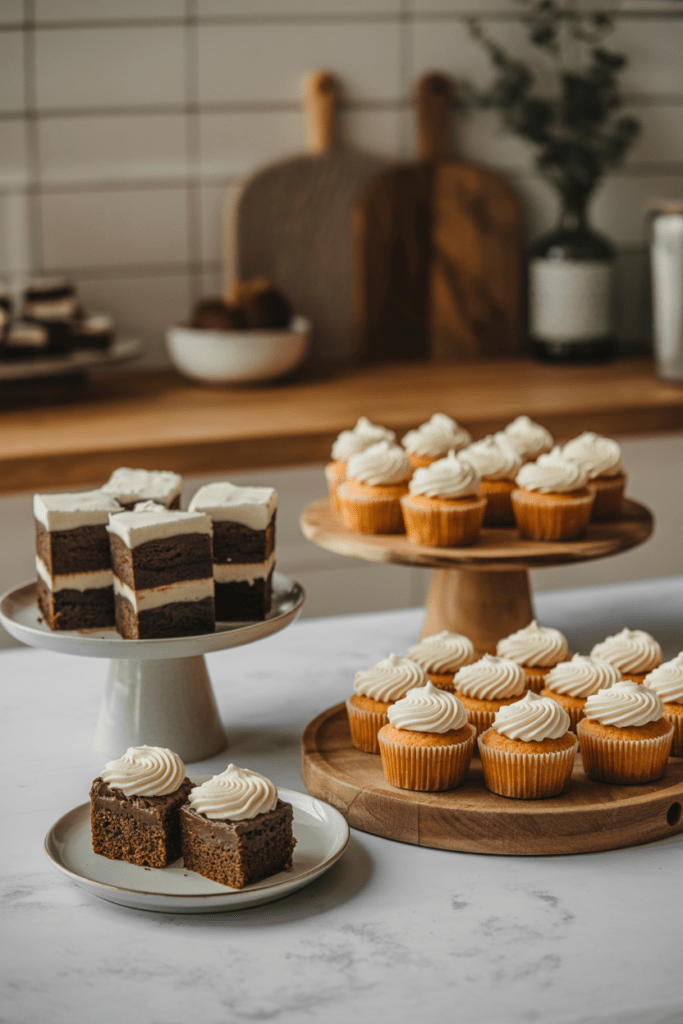
Deep, fudgy brownies practically beg for a topping that can stand up to their intensity. A thick layer of cream cheese buttercream frosting cuts through the richness and keeps every bite balanced instead of overwhelming. These fudgy chocolate brownies are the perfect base when you want something indulgent but not overly sweet.
Red Velvet Layer Cake with Cream Cheese Buttercream
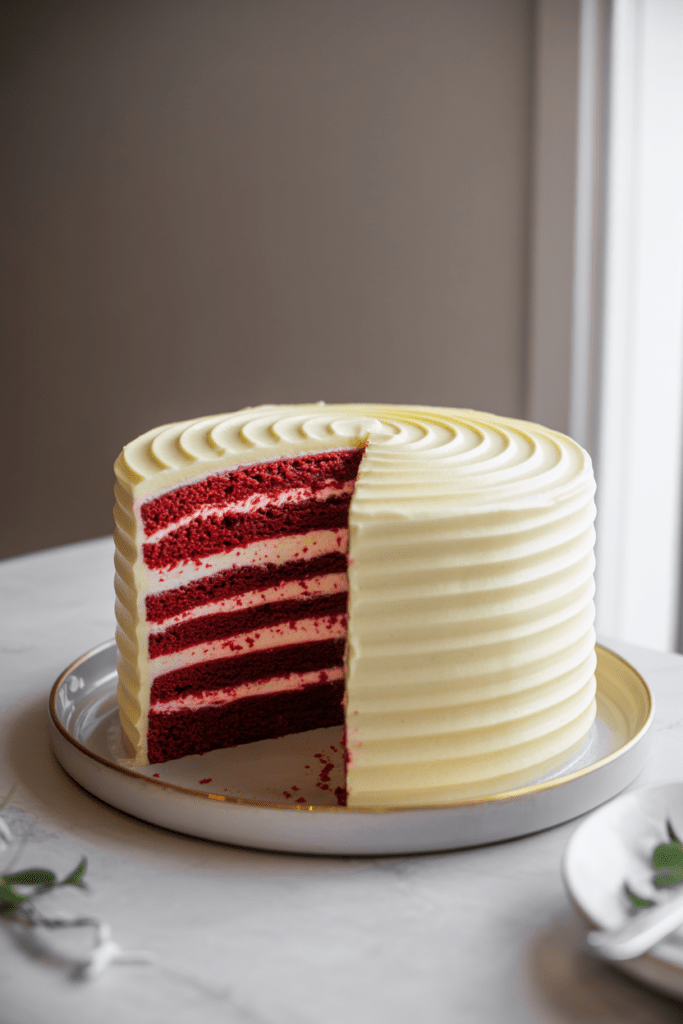
This pairing is iconic for a reason. Red velvet cake is mild, soft, and lightly cocoa-flavored—exactly the kind of canvas that lets cream cheese buttercream frosting shine. The tangy frosting adds personality and contrast, turning a simple slice into something memorable. This classic red velvet layer cake shows why this combination never goes out of style.
Carrot Cake with Cream Cheese Buttercream
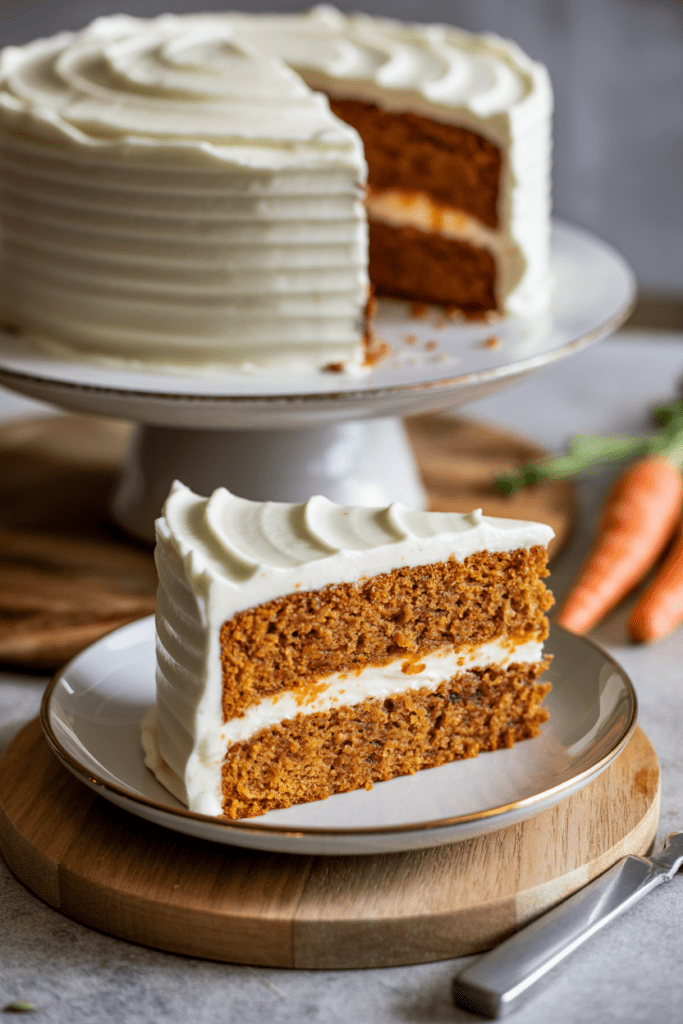
If there’s one dessert that proves the power of buttercream frosting with cream cheese, it’s carrot cake. Warm spices, shredded carrots, and a moist crumb need a frosting that brings freshness and balance. A generous swoop of cream cheese buttercream keeps every bite lively instead of heavy. This classic carrot cake recipe is a perfect match.
Vanilla Cupcakes That Need an Upgrade
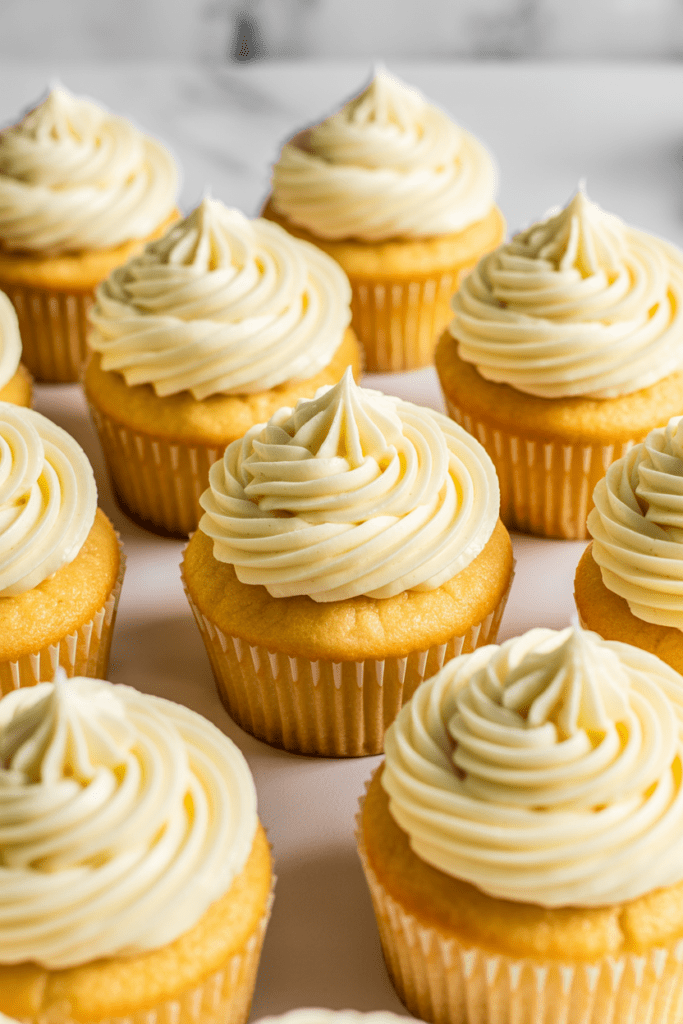
Vanilla cupcakes can be charming—or forgettable. Adding cream cheese buttercream frosting instantly gives them depth and bakery-level appeal. The subtle tang keeps the sweetness in check and makes even the simplest cupcake feel special. These soft vanilla cupcakes are ideal when you want the frosting to do the talking.
Cinnamon Rolls with Cream Cheese Frosting
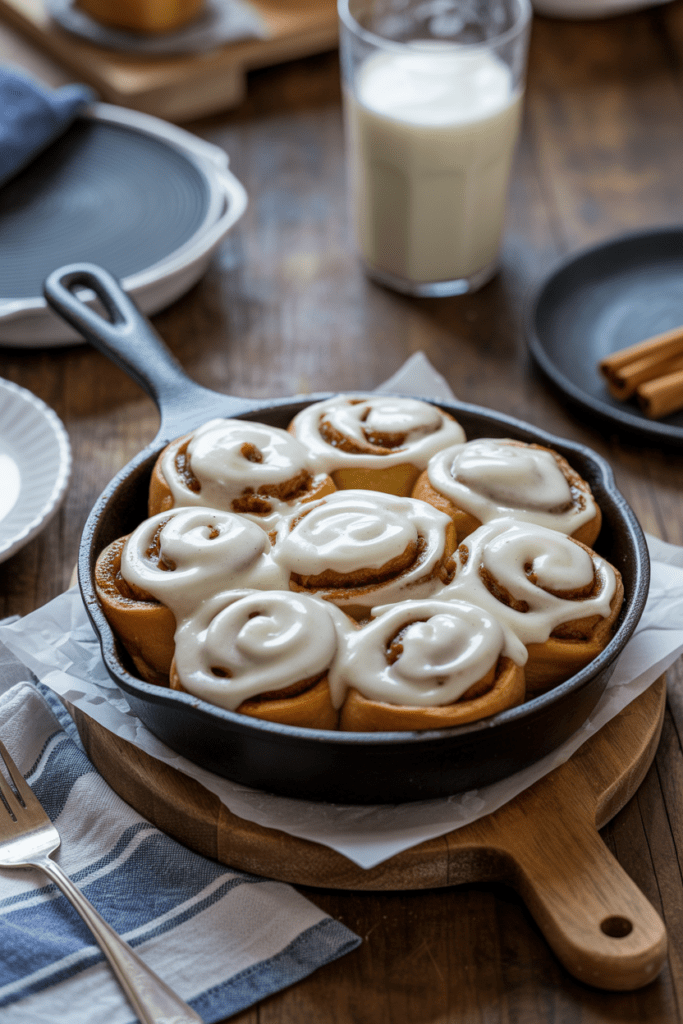
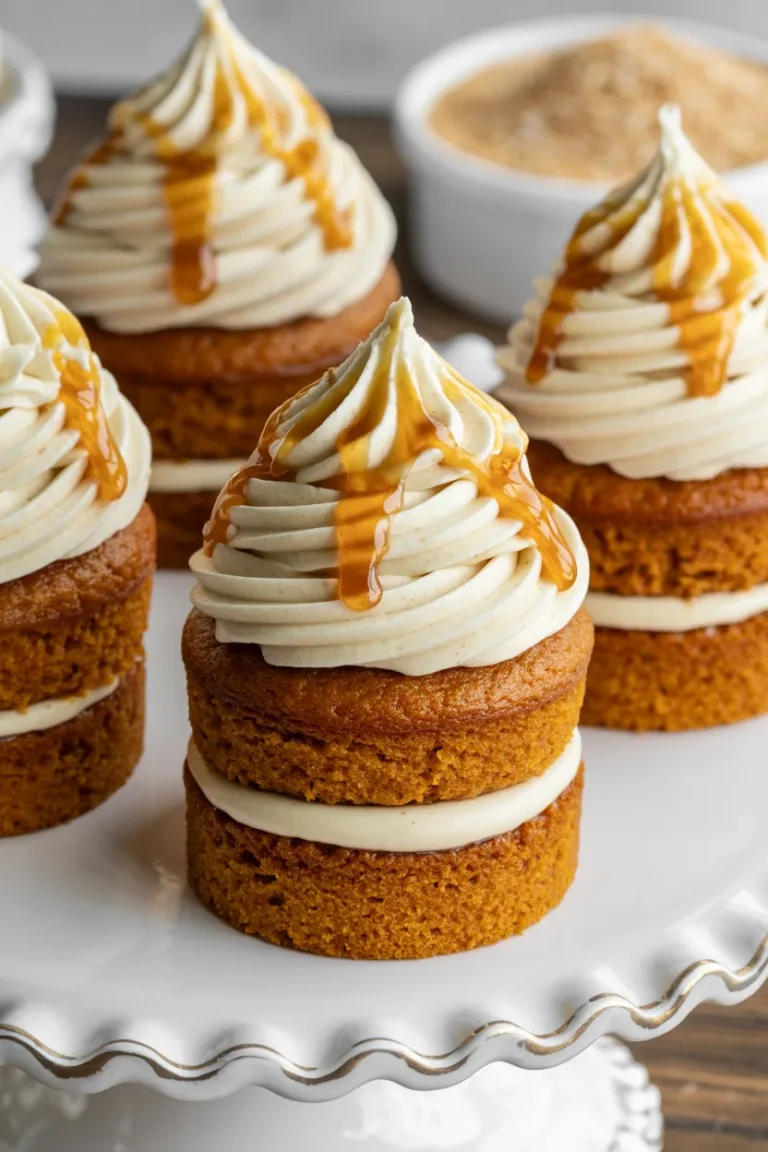
Warm cinnamon rolls and tangy frosting are a comfort-food classic. When you use a softer, spreadable cream cheese buttercream frosting, it melts into the swirls and clings to every ridge. The result is cozy, indulgent, and impossible to resist. These skillet cinnamon rolls were made for a generous layer of cream cheese frosting.
How to Get Cream Cheese Buttercream Texture Just Right
The magic of cream cheese buttercream frosting lives in its texture. When it’s right, it’s smooth, fluffy, and spreadable with just enough structure to hold a swoop. When it’s off, it can turn loose, grainy, or stubbornly stiff. The good news: most texture issues come down to a few fixable details.
Temperature matters more than people admit. Cream cheese that’s too cold won’t blend smoothly, while cream cheese that’s too warm loses structure fast. Aim for cool room temperature—soft enough to press, but not glossy or sagging.
Fat balance is everything. A proper butter-to-cream-cheese ratio gives buttercream frosting with cream cheese its signature body. Too much cream cheese makes the frosting slack; too much butter dulls the tang that makes it special.
Mix gently and stop early. Overbeating introduces heat and breaks down structure, especially in warmer kitchens. Once the frosting looks creamy and cohesive, stop. Fluff happens quickly; collapse happens faster.
If your cream cheese buttercream frosting feels too soft, a short chill in the fridge usually brings it back into line. If it’s too thick, a tablespoon of cream or milk can loosen it without sacrificing stability. Small adjustments beat starting over every time.
Cream Cheese Buttercream Frosting FAQs
Can cream cheese buttercream frosting sit out at room temperature?
Cream cheese buttercream frosting can sit out for short periods—typically up to two hours in a cool room. Because it contains cream cheese, it’s best kept refrigerated until close to serving time, especially for parties or warm kitchens.
Why is my cream cheese buttercream frosting runny?
The most common culprit is temperature. Cream cheese that’s too warm or overmixed breaks down structure quickly. A short chill usually fixes the problem without needing extra powdered sugar.
Can you pipe cream cheese buttercream frosting?
Yes, as long as the texture is right. A properly balanced buttercream frosting with cream cheese pipes clean swirls and borders, but it prefers cooler rooms and shorter decorating sessions than classic buttercream.
What is the best cream cheese to use for frosting?
Full-fat block-style cream cheese gives the best results. Whipped or spreadable cream cheese contains extra moisture and stabilizers that can make frosting loose and unpredictable.
How do I make cream cheese buttercream frosting less sweet?
That’s one of its strengths. Cream cheese naturally reduces sweetness, but you can also slightly reduce powdered sugar or add a pinch of salt to sharpen the flavor without affecting structure.
Is cream cheese buttercream frosting good for layer cakes?
Absolutely. It works especially well for carrot cake, red velvet cake, and vanilla layers. For tall or heavy cakes, chilling between layers helps maintain clean edges and stability.
Can cream cheese buttercream frosting be frozen?
Yes. Freeze it in an airtight container for up to one month. Thaw slowly in the refrigerator, then re-mix gently to restore its smooth, creamy texture.
How far in advance can I make cream cheese buttercream frosting?
You can make it up to three days ahead and store it in the refrigerator. Bring it back to cool room temperature and re-whip briefly before using for best results.
Final Thoughts on Cream Cheese Buttercream Frosting
Cream cheese buttercream frosting isn’t flashy, and that’s exactly why it works. It doesn’t rely on excess sugar or dramatic sweetness to make an impression. Instead, it balances richness with tang, softness with structure, and indulgence with restraint.
This is the frosting that quietly upgrades brownies, transforms simple cupcakes, and gives classic cakes like red velvet and carrot cake their signature finish. It’s forgiving enough for everyday baking, yet elegant enough for celebrations—one of those rare recipes that feels both practical and special.
Once you understand how buttercream frosting with cream cheese behaves and how to work with its texture, it becomes a go-to. The kind of frosting you make from memory. The kind people ask about after the plates are cleared.
If this guide earned a spot in your baking rotation, save it on Pinterest. It’s the kind of reference you’ll want handy the next time a cake needs something more—and the frosting that proves sometimes the best recipes don’t need reinvention, just understanding.