

The Best Snickerdoodles for Coffee Hour
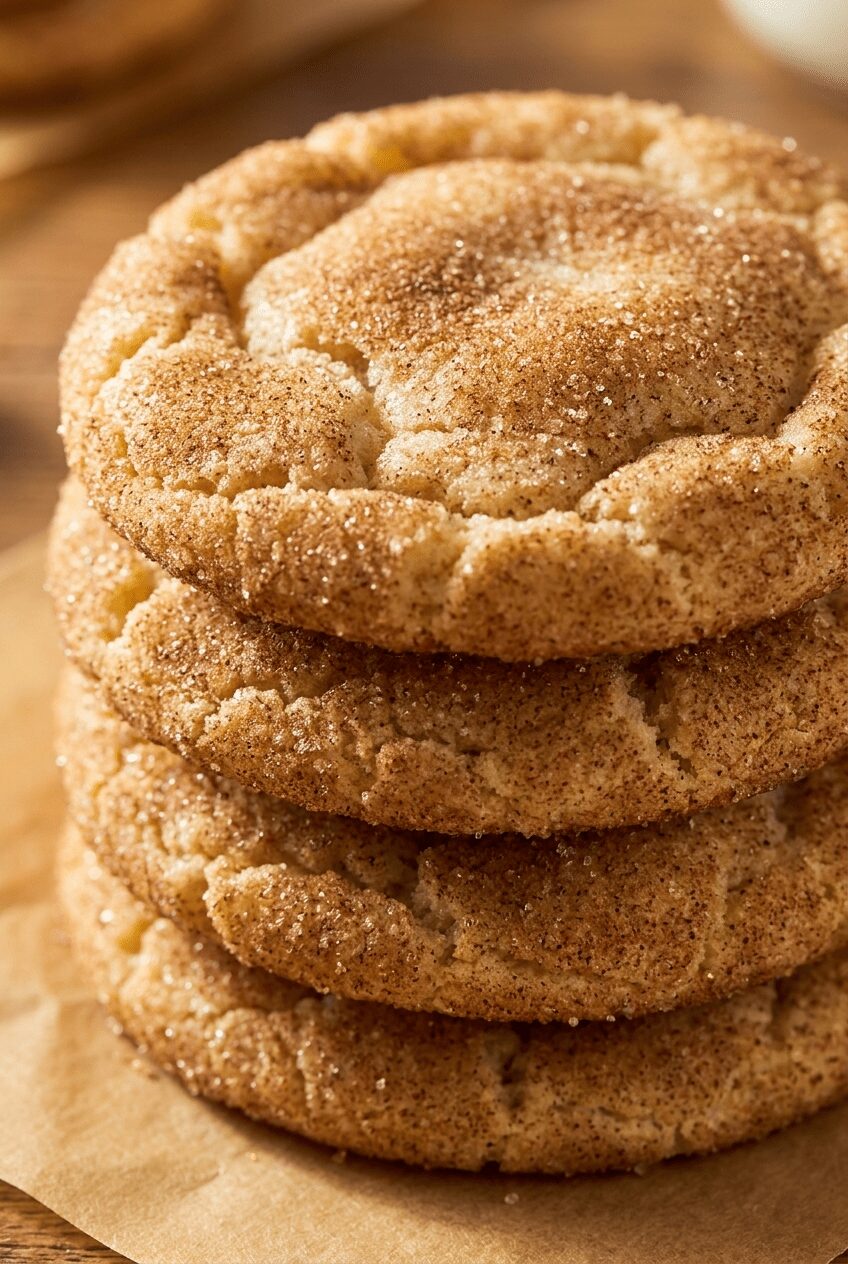
These snickerdoodles stay soft for hours, which makes them perfect for coffee trays where most cookies dry out fast. The cinnamon sugar coating adds just enough warmth to balance a strong cup of coffee, without making things overly sweet. If you need an easy, make-ahead cookie that actually holds up during coffee hour, this is one you’ll keep coming back to.
Ingredients
Method
- Preheat your oven to 350°F (175°C) and line a baking sheet with parchment paper.
- In a medium bowl, whisk together the flour, baking soda, cream of tartar, and salt. Set aside.
- In a large bowl, cream the softened butter and sugar together until light and fluffy (about 2–3 minutes).
- Add the eggs one at a time, mixing well after each addition. Stir in the vanilla extract.
- Gradually add the dry ingredients to the wet mixture, mixing just until combined. Do not overmix.
- In a small bowl, combine the cinnamon and sugar for the coating.
- Scoop dough into 1.5-inch balls and roll each one in the cinnamon sugar mixture
- Place cookies on the baking sheet about 2 inches apart.
- Bake for 10–12 minutes, until edges are set but centers remain soft.
- Let cookies cool on the baking sheet for 5 minutes before transferring to a wire rack.
Notes
- For softer cookies, slightly underbake and let them finish setting on the pan.
- Chill the dough for 30 minutes if you want thicker cookies.
- These cookies stay soft for several hours, making them ideal for coffee trays and gatherings.
Make-Ahead & Storage
- Make ahead: Prepare dough and refrigerate for up to 2 days before baking.
- Freeze: Freeze dough balls for up to 3 months and bake from frozen (add 1–2 minutes).
- Store: Keep baked cookies in an airtight container at room temperature for up to 5 days.
Essential Baking Techniques for Soft and Chewy Cookies
Start by creaming room-temperature butter and sugar until the mix looks light and airy. Use a stand mixer with a paddle attachment.
Next, preheat oven to 350°F. In a separate bowl, add dry ingredients—flour, cream tartar, baking soda, baking powder, and salt—then set aside.
When you add dry to the wet ingredients, fold gently. Overmixing develops gluten and makes the dough tough. Stir in a teaspoon of vanilla and the eggs just until combined.
Roll cookie balls and place them on a parchment-lined sheet. Bake for 10–12 minutes so edges are barely golden and centers stay soft. Let them cool a few minutes on the sheet before transferring.
- Adjust cinnamon sugar levels to taste for a brighter or milder spice.
- Make thicker cookies by chilling dough and forming larger balls before baking.
- Use a mixer on low when folding to keep the dough light.
How to Customize Your Snickerdoodle Dough
Adding Espresso or Cocoa Notes
To add espresso depth, grind instant espresso granules with a mortar and pestle until very fine.
When you add dry ingredients, sift flour, cream tartar, baking soda, and any cocoa into a clean bowl. Fold the dry into the butter mixture gently using a mixer or a hand to keep the texture soft.
- Mix-ins: Fold in finely ground espresso powder or unsweetened chocolate powder for a mocha twist.
- Thicker cookies: Chill dough, shape into balls, then press gently by hand to form slightly flatter rounds.
- Adjust spice: Vary the cinnamon sugar ratio to make the cookie brighter or milder to suit your taste.
Let dough rest a few minutes if it warms while you work. Then roll into balls and bake according to the recipe so cookies finish with soft centers and crisp edges.
Best Occasions to Serve Your Homemade Treats
These buttery rounds fit nearly any casual gathering, turning a simple cup break into a small celebration.
Serve them during a relaxed coffee hour to balance bitterness with a sweet cinnamon sugar finish. They pair well with a hot cup and short conversation.
Bring a plate to weekend brunch. The hint of cream tartar and soft center add a thoughtful touch to your morning spread.
Host a casual gathering or holiday get-together and watch guests reach for these snickerdoodle cookies first. Their familiar flavor puts people at ease.
- Offer chocolate-dipped options to add variety and richer flavor to your tray.
- Keep a batch on the counter for birthday mornings or simple afternoon snacks in the room.
- These cookies use basic ingredients like butter and sugar, so they’re easy to scale for larger groups.
- Stash extra dough in the freezer to bake fresh by the hour and keep hosting effortless.
Storage and Make-Ahead Strategies for Freshness
Smart storage keeps your batch tasting like it was just baked, even days after you mix the dough. Use simple steps to keep texture and flavor, whether you store baked cookies at room temperature or freeze raw dough for later.
Room Temperature Storage
After baking, cool the cookies completely in a single layer. Then place them in an airtight container to keep moisture steady.
They stay fresh at room temperature up to five days when stored this way. Add a slice of bread to the container to help retain softness.
Freezing Dough for Later
Portion your dough into individual balls and chill on a sheet until firm.
- Transfer frozen balls to a freezer-safe bag and label with the date; they keep up to three months.
- To bake, place frozen balls on a sheet and add a few extra minutes to the bake time.
- Use high-quality butter and fresh baking soda in the recipe so the texture survives freezing.
These make-ahead tactics save time while letting you serve warm, soft cookies whenever you want.
Expert Tips for Preventing Common Baking Issues
Small adjustments during mixing and baking fix most texture problems before they start.
Always bring butter and eggs to room temperature. This keeps your dough smooth and stops the mix from separating.
Measure your ingredients precisely. A slightly wet cup of flour or an old teaspoon of baking soda will change spread and bake time.
Use a small bowl to mix the cinnamon sugar so each ball gets an even coating before it hits the sheet.
- Check cream tartar and baking soda freshness; expired powder makes flat cookies.
- Chill the dough if it seems soft. Firmer balls hold shape and need extra minutes in the oven.
- Use a stand or hand mixer on low when folding to keep the texture light.
- Add a pinch of salt to balance sugar and boost flavor.
- Portion balls evenly so each cookie bakes at the same rate.
FAQ: Why use cream of tartar? It adds tang and helps dough resist spreading. How do you stop flat cookies? Use fresh leavening, chill dough, and confirm oven temperature. Can you freeze the dough? Yes — freeze balls on a tray, then transfer to a bag; bake from frozen with a few extra minutes.
If you’re putting together a full coffee tray, it helps to mix a few different textures and flavors. Along with these soft snickerdoodles, you can add something like thumbprint cookies for a buttery, jam-filled option, or strawberry shortcake cookies for a slightly richer, fruit-forward bite. If you want to round things out beyond cookies, treats like carrot cake blondies or lavender white chocolate truffles can add variety to your table without a lot of extra effort.
Conclusion
A reliable cookie recipe turns rushed mornings into small, enjoyable rituals.
Keep things simple: measure ingredients, use fresh cream and good butter, and follow baking times closely. A precise teaspoon of baking powder or cream tartar can change texture dramatically.
FAQ
What makes these cookies a good match with coffee?
The warm cinnamon-sugar crust and light tang from cream of tartar balance coffee’s bitterness. The soft, slightly tangy center pairs well with both black coffee and milky drinks, making them a cozy everyday treat.
How do I get a soft, chewy texture instead of a crisp cookie?
Use room-temperature butter and eggs, don’t overmix once you add the flour, and avoid baking until the edges are just set. A bit more brown sugar and a short bake time yield a tender, chewy crumb.
Can I add espresso or cocoa to the dough without ruining texture?
Yes. Fold in a teaspoon or two of instant espresso powder for a coffee note, or replace a tablespoon of flour with cocoa for chocolate hints. Keep additions light so you don’t dry the dough.
What dry ingredients are essential for that classic flavor?
Flour, granulated sugar, cream of tartar, baking soda, and salt are the backbone. Cinnamon sugar for rolling gives the signature coating. A touch of vanilla rounds the flavor.
How should I prep the dough if I want to bake later?
Chill the dough balls on a sheet for at least 30 minutes, then freeze them in a single layer. Transfer to a freezer bag and bake from frozen, adding a minute or two to the bake time for best results.
What’s the best way to store baked cookies at room temperature?
Once cooled, place cookies in an airtight container with a slice of bread or a folded paper towel to maintain softness. Store at room temperature for up to 3 days.
How long can I freeze unbaked dough and still get good cookies?
Properly wrapped dough balls keep well for up to 3 months. Thaw in the refrigerator overnight or bake from frozen, adding a little extra time in the oven.
My cookies spread too much. What went wrong?
If cookies spread, your butter was likely too warm or you used too little flour. Chill the dough before baking, measure flour by weight or spoon-and-level, and avoid over-creaming the butter and sugar.
How can I prevent the center from being underbaked while edges overbrown?
Bake on the middle rack and rotate the sheet halfway through. Use light-colored baking sheets and check for set edges with a slightly soft center—you want gentle browning only at the edges.
Any tips for making the cookies make-ahead friendly for a party?
Bake a day ahead and keep in an airtight container at room temperature. For longer prep, freeze dough or baked cookies; thaw at room temperature and refresh for a few minutes in a 300°F oven to revive softness.





2 Comments