
How to Fix Common Baking Mistakes
Baking looks effortless from the outside — a whisk here, a sprinkle there — but anyone who’s ever pulled a sunken cake or a tray of runaway cookies from the oven knows the truth: baking has opinions. Strong ones. And the moment you understand why those opinions exist, the whole process becomes less stressful and a lot more fun. Mistakes stop feeling like failures and start feeling like clues.
This guide to how to fix common baking mistakes is your shortcut to that confidence. Whether your brownies are raw in the middle, your muffins are tough, or your chocolate has staged a full-blown meltdown, you’ll learn the science behind what went wrong and — more importantly — how to make it right next time. Baking gets infinitely easier when you know how to troubleshoot it.
This post may contain affiliate links which helps me keep this blog alive, questions? View the privacy policy.
Understanding Why Baking Mistakes Happen in the First Place

Baking isn’t guesswork — it’s chemistry wrapped in butter and hope. Most slip-ups start long before anything goes in the oven: ingredients measured loosely, leaveners past their prime, butter too warm, or steps skipped because surely it won’t matter this time. It always matters. Understanding the “why” behind these flops is the first step toward fixing them.
Before diving into how to fix common baking mistakes, it helps to understand what’s happening under the hood. Leavening agents, for example, lose power over time — which can leave cakes dense no matter how perfectly you mix them. Batter consistency changes depending on the fat-to-flour ratio, which is why cupcakes and cakes behave so differently. If you want the deeper science, explore:
Once you see how ingredients interact, those frustrating flops start turning into easy fixes — and confident baking becomes your new default.
Mistake #1: Sunken, Dense, or Gummy Cakes
A cake that sinks in the middle or feels gummy instead of tender isn’t a lost cause — it’s simply reacting to something that went off-track. Usually, it’s old leavening, overmixed batter, incorrect pan size, or an oven that’s running cooler (or hotter) than you think. Cakes are sensitive, and even small shifts can throw off their rise.
Here’s how to fix common baking mistakes when your cake refuses to lift: make sure your baking soda and baking powder are fresh, mix only until your ingredients come together, and check that you’re using the right-sized pan. An oven thermometer is invaluable to confirm your oven is actually the temperature it claims to be. If your cake sinks despite everything, it can often be repurposed into cake pops or layered parfaits — no one will know.
- Check freshness: Old leavening agents are the top culprit.
- Don’t overmix: Too much air collapses once heat hits.
- Use the right pan: Incorrect volume affects rise and bake time.
- Verify oven temp: A reliable oven thermometer keeps things honest.
If you want to understand more about the rise-and-fall drama, start with the science behind it: The Science of Leavening Agents
Mistake #2: Cookies Spread Too Much (or Not Enough)

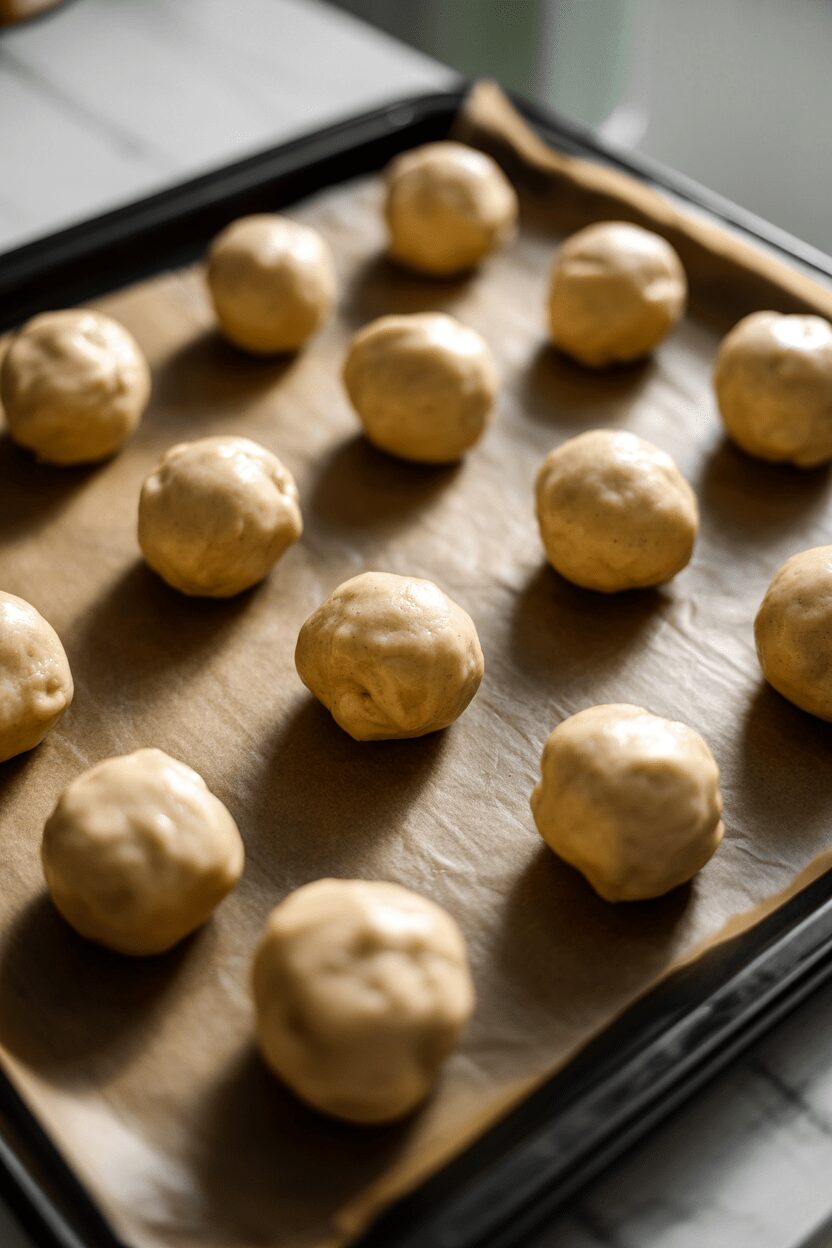
Cookies have minds of their own — some spread into one giant sheet pan pancake, while others stay stubborn little mounds. Both issues usually come down to butter temperature, flour measurement, and how warm your dough is when it hits the oven. Small adjustments make a massive difference.
To master how to fix common baking mistakes with cookies, start with temperature. Warm dough spreads aggressively, while dough with the right balance of fat and flour holds its shape beautifully. A light-colored baking sheet and the right chilling time will save you every single time.
- Chill your dough: Even 30 minutes firms the butter and stops runaway spread.
- Check your flour: Too little causes puddles; too much makes dry, tight cookies.
- Use parchment: Provides the perfect surface for even browning.
- Choose proper bakeware: A light aluminum sheet pan (affiliate) bakes more evenly than dark pans.
Quick visual checkpoint:
- Dough cold?
- Butter softened, not melted?
- Oven calibrated?
- Flour measured accurately?
Want a reliable model for how your cookies should look? Try a classic from AllRecipes for comparison. And if you’re craving chocolate, browse your own roundup: Chocolate Desserts for more inspiration.
Mistake #3: Burned, Seized, or Grainy Melted Chocolate
Chocolate looks simple, but it’s one of the most temperamental ingredients in the kitchen. Too much heat and it scorches. A single drop of water and it seizes into a thick, grainy lump. When you understand how to fix common baking mistakes with melted chocolate, everything from brownies to ganache becomes way easier — and far silkier.
The solution is gentle, controlled heat. Melt chocolate slowly, keep moisture away, and stir more than you think you need to. If it does seize, you can often rescue it with a splash of warm cream or turn it into a glossy ganache. Burned chocolate, however, is one of the few things that can’t be saved — the bitter flavor sticks.
- Use a double boiler: Prevents overheating and keeps texture smooth.
- Microwave in short bursts: 10–15 second intervals only.
- Add a little fat: A teaspoon of coconut oil keeps chocolate shiny.
- Keep water away: Even steam from a bowl can ruin the batch.
- Recommended tools: Heat-safe glass bowls and silicone spatulas (affiliate).
For a deeper dive into chocolate’s dramatic personality, explore this full guide: How to Melt Chocolate Without Burning It.
Mistake #4: Dry or Crumbly Baked Goods
Dry cakes, crumbly muffins, and flavorless loaves usually trace back to two issues: too much flour or too much time in the oven. Both are incredibly common, and both are easy to fix once you understand how to fix common baking mistakes tied to moisture and structure. Even a few minutes of overbaking can pull every last drop of tenderness out of a recipe.
Measuring flour accurately is half the battle. Scooping directly from the bag packs flour tightly, giving you much more than the recipe intended. The other half is temperature awareness — ovens lie, and baked goods keep cooking after they’re removed from heat. Aim to pull them out when the center looks just barely set.
- Spoon-and-level your flour: Or better yet, use a kitchen scale for accuracy.
- Watch the clock: Overbaking by even 3–5 minutes can dry out any recipe.
- Add moisture boosters: Sour cream, yogurt, or brown sugar help keep bakes tender.
- Use an oven thermometer: This inexpensive tool (affiliate) keeps temperature honest.
For inspiration on achieving rich, perfectly textured treats, check out your dessert bar collection: Dessert Bars
Mistake #5: Undercooked Centers (Cakes, Brownies, Bars)

A gooey center can be dreamy in brownies — but not when it’s accidental. Undercooked middles usually point to uneven oven heat, the wrong pan size, or batter that’s too thick for the listed bake time. Understanding how to fix common baking mistakes like this one saves you from cutting into a cake only to discover it’s still batter in the middle.
Most of the time, the fix is simple: bake lower and slower. A slightly reduced temperature allows heat to travel deeper without scorching the edges. Using the correct pan size is equally important — a too-small pan keeps the center thick and stubbornly raw, while a larger pan thins the batter and speeds up the bake.
- Lower the temperature: Drop your oven by 25°F and extend bake time.
- Use the middle rack: It’s the most stable zone for even heating.
- Rotate the pan: Halfway through to counter hotspots.
- Check with the right tools: A metal cake tester or toothpick works better than a knife.
- Choose proper pans: A sturdy metal square pan helps brownies cook evenly (affiliate).
If you’re not sure what “perfectly baked” looks like, compare your results with a trusted brownie recipe from Food Network. For more chocolate-forward ideas, your own roundup is packed with inspiration: Chocolate Desserts.
Mistake #6: Tough, Rubber-like Muffins or Quick Breads
Muffins and quick breads should be tender, soft, and just a little springy — not dense enough to double as paperweights. When the texture turns tough, it almost always comes back to overmixing or unbalanced wet-to-dry ratios. This is one of the easiest places to learn how to fix common baking mistakes because even small changes create huge improvements.
Once liquid hits flour, gluten begins to form. Mix too long and that gluten keeps building, turning your batter chewy instead of light. Temperature also plays a part: cold eggs or cold milk can cause butter to seize into tiny lumps, throwing off the texture. Gentle, minimal mixing is your best friend here.
- Mix only until combined: Stop stirring the moment you no longer see dry streaks.
- Bring ingredients to room temperature: This prevents batter from tightening up.
- Rest the batter: A 10-minute rest lets the flour hydrate and improves lift.
- Add mix-ins last: Fold blueberries, chocolate chips, or nuts gently to avoid overworking the batter.
- Use fresh leavening: Old baking powder leads to flat, dense results (learn more here).
Curious why cake batter and cupcake batter behave differently? This explainer connects perfectly to texture troubleshooting: Why Cupcake & Cake Batter Behave Differently.
Mistake #7: Soggy Pie Crusts, Watery Fillings, or Collapsed Tarts
A beautiful pie or tart should have crisp edges, a golden bottom, and a filling that sets with confidence. When the crust turns soggy or the center refuses to firm up, it usually means moisture and heat weren’t working in harmony. Once you understand how to fix common baking mistakes in the pie department, your bakes start coming out of the oven looking like they belong in a holiday spread.
Most soggy bottoms happen because the crust wasn’t blind-baked or because the oven temperature wasn’t high enough to set the fat before the filling soaked in. Watery fruit fillings, especially berry mixes, also release more juice than expected. Small tweaks in technique can turn pies and tarts from unpredictable to foolproof.
- Always blind bake: Par-baking the crust creates a barrier that prevents sogginess.
- Use pie weights: Helps the crust stay flat and crisp (affiliate).
- Dry your fruit: Pat berries and apples before mixing with sugar.
- Bake on the lowest rack: Ensures the bottom crust gets enough heat.
- Thicken fillings: Cornstarch or tapioca absorbs extra moisture.
If you want to see how beautifully balanced pies can look, browse your seasonal dessert inspiration: Thanksgiving Desserts
For comparison, try an apple pie benchmark like this one from AllRecipes — it’s iconic for a reason.
Mistake #8: Bars, Brownies & Dessert Squares Falling Apart When Cut
Few things are more frustrating than lifting a brownie from the pan only to have it crumble into chaos. When dessert bars won’t hold their shape, it usually means they were cut too soon, the binder ratio was slightly off, or the pan material affected the bake. Learning how to fix common baking mistakes in this category makes your squares clean, sharp, and photo-ready every time.
The biggest culprit is impatience — bars need time to cool and set before slicing. A warm pan will shear the structure no matter how perfect the recipe is. On the technical side, adding just a bit more flour or an extra egg yolk can strengthen the crumb without making the texture dense.
- Let bars cool completely: Warm centers collapse when cut too early.
- Chill if needed: Refrigeration firms the structure for cleaner edges.
- Use a hot knife: Dip in warm water, wipe dry, and slice for perfect lines.
- Adjust binders: Add 1–2 tablespoons flour or one extra yolk next time for sturdier texture.
- Pick the right pan: A sturdy metal pan (affiliate) bakes more evenly than glass.
Want inspiration for bars with structure and serious flavor? Explore your curated list Dessert Bars.
Mistake #9: Batter Splitting, Curdling, or Looking “Broken”
A bowl of broken, curdled batter looks dramatic — and not in the good, glossy-ganache way. When ingredients refuse to come together, it usually means they weren’t the same temperature when mixed. This is one of those quiet but important lessons in how to fix common baking mistakes: temperature matters just as much as technique.
Cold eggs hitting softened butter, or chilled milk mixing into warm melted fat, can shock the mixture and create that “scrambled” look. The good news? A broken batter is often fixable. A little flour or a gentle warm-up can coax everything back into harmony — and even if it isn’t perfect, most curdled batters still bake up beautifully.
- Match ingredient temperatures: Bring eggs, dairy, and butter to room temp before mixing.
- Add ingredients slowly: Gradual mixing helps emulsify fats and liquids.
- Stabilize with flour: If the batter splits, add 1 tablespoon of flour at a time until it comes back together.
- Warm gently: Place the bowl over warm water and stir to smooth the mixture (don’t overheat).
If you’ve ever wondered why some batters handle more stress than others, explore the The Science of Leavening Agents.
Mistake #10: Overly Sweet, Bland, or Unbalanced Flavors
Even the prettiest bake falls flat if the flavor isn’t right. When desserts come out too sweet, too bland, or just a little “off,” the culprit is usually imbalance — missing salt, weak extracts, low-quality cocoa, or a lack of acidity to brighten everything up. This is where understanding how to fix common baking mistakes gives you real control over flavor, not just structure.
Salt is your stealth hero. Without it, sweetness tastes one-note. Cocoa needs blooming for deeper flavor, citrus can cut heaviness, and pure vanilla extract makes a dramatic difference compared to imitation. Flavor balancing is a quiet skill, but once you get it, your desserts start tasting bakery-level.
- Add salt: Even sweet recipes need a pinch to balance flavor.
- Bloom cocoa powder: Mix cocoa with hot water to deepen chocolate notes.
- Use quality extracts: Pure vanilla transforms both aroma and taste.
- Add acid: Lemon juice, buttermilk, or sour cream brighten richness.
- Adjust sweetness: Reduce sugar slightly or add a contrasting flavor like espresso or citrus.
Want to see great flavor balance in action? Your chocolate-forward collection is the perfect example: Chocolate Desserts.
Troubleshooting Tools Every Baker Should Keep on Hand
Half the battle in learning how to fix common baking mistakes is having the right tools. Baking is precision work — the more consistent your tools, the more consistent your results. These aren’t splurges; they’re small upgrades that eliminate guesswork and make every recipe more reliable.
A digital scale keeps your flour accurate, an oven thermometer keeps your temperature honest, and the right pans give you even heat from edge to center. Think of these as your behind-the-scenes team, quietly preventing the mistakes you used to battle with every holiday season.
- Digital kitchen scale: The fastest way to guarantee accuracy (affiliate).
- Oven thermometer: Ensures your oven isn’t running too hot or too cool.
- Light-colored aluminum baking sheets: Promote even browning.
- 8×8 and 9×13 metal pans: More reliable heat transfer than glass (affiliate).
- Silicone spatulas: Perfect for folding without overmixing.
- Cooling racks: Prevent soggy bottoms and help bakes set properly.
- Offset spatula: Ideal for smoothing batter and frosting with precision.
Once you upgrade the basics, many of the most annoying baking issues disappear before they ever show up in your mixing bowl.
When to Save It, When to Start Over
Not every baking mishap is a disaster — quite a few can be rescued with a little creativity. Understanding how to fix common baking mistakes also means knowing when to pivot, when to repurpose, and when to let go. Some flops are purely cosmetic, while others simply won’t recover no matter how determined you are with a spatula.
Cakes that sink? Turn them into parfaits, trifles, or cake pops. Overbaked brownies? Crumble them over ice cream. Cookies that spread too much? Use them as the base for pie crusts. The only time you truly need to toss a bake is when it’s unsafe — raw eggs in the middle of a cake, severely scorched chocolate, or dough that never fully baked through.
- Salvageable: Sunk centers, cracks, spreading cookies, dry edges.
- Sometimes saveable: Slightly underbaked brownies, broken batters.
- Not worth saving: Burned chocolate, raw-in-the-middle loaves, curdled custards.
Remember: even professional bakers make mistakes. The real skill is knowing how to course-correct and turn missteps into something delicious anyway.
Your Confidence Grows Every Time You Solve One Problem
Baking gets a whole lot easier once you stop seeing mistakes as failures and start seeing them as feedback. Every sunken cake, grainy chocolate bowl, or runaway cookie teaches you something — and the more you learn how to fix common baking mistakes, the more instinctive the process becomes. Suddenly you’re adjusting flour by feel, spotting temperature issues before they happen, and rescuing batters you once would have tossed.
It’s not about perfection. It’s about understanding the tiny reactions happening in your bowl and using them to your advantage. With a little science, a little confidence, and a willingness to laugh at the occasional flop, you become the kind of baker who can troubleshoot anything. And that’s where the magic really starts.
FAQ: Your Top Baking Questions Answered
Most bakers hit the same roadblocks over and over — which is why learning how to fix common baking mistakes makes every recipe feel less intimidating. These quick answers tackle the issues readers run into most.
Why is my cake dense instead of fluffy?
Dense cakes usually come from old leavening agents, overmixed batter, or too much flour. Make sure your baking powder and soda are fresh, mix gently, and measure your flour with a scale or spoon-and-level method.
How do I stop cookies from spreading too much?
Chill your dough, avoid melted butter, and use parchment on a light-colored baking sheet. If they still spread, add 1–2 tablespoons of flour to the next batch.
What’s the easiest way to fix seized chocolate?
Add a splash of warm cream and whisk gently — it often transforms into a smooth ganache. If it’s scorched, there’s no saving it.
Why is my banana bread raw in the middle?
Your oven might be running cool, or your pan may be too small. Bake longer at a slightly lower temperature and always test multiple spots with a toothpick.
How do I know if my baking powder is still good?
Stir ½ teaspoon into hot water — it should bubble immediately. If not, it’s time to replace it. Old leavening is responsible for half of all “mystery” baking failures.
Why did my muffins turn out tough?
Overmixing is the usual culprit. Mix only until you no longer see dry flour streaks and bring your ingredients to room temperature before starting.
How do I keep brownies from crumbling when I cut them?
Let them cool completely — or chill them — before slicing. Use a hot, clean knife for sharp edges. Warm brownies will always fall apart.
Why is my pie crust soggy?
You likely skipped blind baking or baked on a rack too high in the oven. Use pie weights, pre-bake the crust, and move the pie to the lowest rack for a golden, crisp bottom.
How do I rescue a dry cake?
Brush it with simple syrup or warm milk to restore moisture. For the next bake, shorten your time in the oven by a few minutes and measure flour more accurately.
When should I toss a baking disaster and start over?
Toss anything burned, raw in the middle after excessive bake time, or containing scorched chocolate. Everything else? There’s usually a way to repurpose it into something delicious.
Pinterest-Worthy Save This Guide for Later
Baking mistakes aren’t going anywhere — but now you know exactly how to outsmart them. If you want a quick confidence boost every time something goes sideways in the kitchen, save this guide on Pinterest so it’s ready when you need it most. Future you will thank you when the brownies sink or the chocolate seizes and you fix it like a pro.
Pin it, share it, bookmark it — because mastering how to fix common baking mistakes is the kind of skill that makes every bake taste better and every kitchen moment feel calmer.