
How to Measure Ingredients for Perfect Results
Most baking mistakes don’t happen in the oven—they happen in the measuring cup. A cake that’s too dense, cookies that spread flat, cupcakes that dry out in a heartbeat… almost every one of these frustrations can be traced back to how the ingredients were measured. Learning how to measure ingredients for perfect results is the quiet superpower behind every successful baker, and once you understand a few simple techniques, your bakes instantly become more consistent, more predictable, and infinitely more delicious.
Measuring isn’t just a step in the recipe—it’s the foundation of texture, flavor, rise, and structure. The difference between a light, fluffy cupcake and a sunken, gummy one is often just a few grams of flour or a slightly heavy pour of milk. That’s why mastering accurate measurement is one of the most valuable Baking 101 skills you can learn. It affects everything from creaming butter properly to mixing batter with the right consistency, and it supports every tutorial you’ll find here, from Useful Baking Tips to Seriously Useful Tips for Baking Perfect Cupcakes.
Whether you’re brand new to baking or just tired of inconsistent results, this guide will walk you through the simplest, smartest techniques to measure ingredients the way professional bakers do—so every recipe you make starts with a perfect foundation.
This post may contain affiliate links which helps me keep this blog alive, questions? View the privacy policy.
Why Proper Measurement Matters in Baking

Baking isn’t just cooking with sugar—it’s a full-on chemistry experiment happening in your kitchen. Every ingredient plays a structural role, and the amounts you use determine whether your bake rises beautifully, stays moist, or collapses into a sugary tragedy. Learning how to measure ingredients for perfect results gives you control over that chemistry, turning guesswork into consistency.
A tablespoon too much flour can dry out cupcakes. An extra splash of milk can make muffins spread sideways. Too much baking soda can create a weird metallic flavor and cause cakes to rise too quickly, then sink. In other words: small measurements create big outcomes. That’s why professional bakers rely on precision—it’s the difference between “pretty good” and “absolutely perfect.”
When ingredients are measured correctly, recipes behave exactly as intended. Your crumb becomes softer, your texture more even, and your flavors more balanced. You’re no longer hoping the recipe turns out; you’re setting it up to succeed.
For a deeper dive into how each ingredient affects structure and texture, check out Useful Baking Tips. Once you understand the science, every measurement suddenly feels a whole lot more meaningful.
- Too much flour = dry, dense baked goods.
- Too little fat = crumbly, tough texture.
- Too much leavener = bitter flavor + collapsed centers.
- Precision creates reliable, repeatable results.
Think of accurate measuring as the quiet hero of every outstanding bake. Master it, and everything else becomes easier.
Measuring Dry Ingredients — Accuracy Starts Here
Dry ingredients are the biggest troublemakers in baking, mostly because they’re so easy to measure incorrectly. Flour compacts, cocoa powder clumps, brown sugar behaves like wet sand, and leaveners require almost surgical precision. If you want to learn how to measure ingredients for perfect results, this is the section that will transform your baking the fastest.
Let’s start with flour, the number-one culprit behind dense, dry, or tough baked goods. Scooping flour directly from the bag packs it tightly into the cup—adding up to 30% more than the recipe intended. The fix is simple: fluff the flour, spoon it into the cup, and level it with a flat edge. This keeps your measurement light, accurate, and consistent.
Cocoa powder behaves similarly but is even more prone to packing and clumping. Always spoon and level it, and when making cakes or frostings, consider sifting for a smoother finish. Brown sugar, on the other hand, is the rule-breaker of the group. It should be packed—firmly—into the measuring cup unless the recipe says otherwise.
Leaveners like baking powder and baking soda demand precision. A heaping teaspoon can throw off the entire crumb structure, creating tunneling, bitterness, or collapsed cupcakes. Use a flat knife or spatula to level every scoop.
- Flour: Fluff → Spoon → Level.
- Cocoa: Spoon and level; sift if clumpy.
- Brown sugar: Pack it firmly.
- Baking soda/powder: Level precisely—no heaping allowed.
If you struggle with ingredient inconsistencies in cupcakes, cookies, or brownies, the measurement basics in Useful Baking Tips and Seriously Useful Tips for Baking Perfect Cupcakes reinforce how dramatically dry ingredients affect final texture.
Accurate dry measurement is the backbone of reliable baking. Nail this step, and the rest of the recipe falls into place with far less effort.
Measuring Liquid Ingredients — Why the Right Cup Matters
Liquid ingredients may seem easier to measure than dry ones, but they come with their own rules—and breaking them can completely alter a recipe’s texture. Learning how to measure ingredients for perfect results means understanding that the cup you choose, the angle you pour from, and even your eye level all influence accuracy.
Liquid measuring cups are designed differently from dry cups for a reason. They have a spout for pouring and extra room at the top so you can measure without spilling. Dry cups don’t offer this wiggle room, which means your measurement can end up short—or messy. For best results, always use a clear liquid measuring cup for water, milk, oil, buttermilk, melted butter, extracts, and syrups.
The most important step? Check the measurement at eye level. Looking from above or below distorts the reading because of the liquid’s meniscus—the slight curve at the top. When you meet the cup at eye height, the line you see is the true measurement.
Sticky liquids like honey or molasses benefit from a spritz of cooking spray in the cup beforehand. They release cleanly, leaving no residue behind to mess with your measurement.
- Use clear liquid measuring cups—never dry cups—for accurate volume.
- Check measurements at eye level for precision.
- Spray measuring cups for sticky ingredients so they slide out cleanly.
- Measure oils, milk, and melted butter in liquids-only cups to avoid accidental under-measuring.
Liquid accuracy plays a huge role in creating smooth batters and perfectly domed cupcakes. For more insight into how liquid ratios affect bakes, the techniques in Seriously Useful Tips for Baking Perfect Cupcakes break down exactly how moisture and fat impact rise and texture.
Why Switching to Weight Measurements Changes Everything
Ask any professional baker how they guarantee consistent results, and they’ll give you the same answer: they weigh everything. Learning how to measure ingredients for perfect results becomes infinitely easier when you switch from cups to grams. It’s faster, cleaner, more accurate, and completely eliminates the biggest source of baking inconsistency: human error.
Here’s the truth most home bakers don’t realize—one cup of flour can weigh anywhere from 110g to 160g depending on how tightly it’s packed. That’s a massive difference. With a kitchen scale, flour always weighs the precise 120g the recipe intends. Measuring by weight also keeps cocoa, sugar, butter, honey, and even liquids perfectly consistent across every batch.
Beyond accuracy, weighing your ingredients simplifies your workflow. You can measure everything in the same bowl, reducing dishes and speeding up prep. Just tare (zero) the scale between additions and continue. It’s one of those tiny upgrades that feels life-changing once you try it.
Digital kitchen scales are inexpensive and long-lasting, and a sturdy one like this stainless-steel digital scale gives bakery-level accuracy without any fuss. If you bake even semi-regularly—cupcakes, muffins, brownies, cakes—this one tool amplifies your success instantly.
- Eliminates variation caused by scooping, packing, or leveling errors.
- Speeds up your workflow with one-bowl measuring.
- Improves texture and consistency across every bake.
- Makes troubleshooting easier because you remove measurement guesswork.
For a deeper breakdown of why precision matters so much, the measurement and accuracy insights in Useful Baking Tips strengthen the science behind this simple-but-powerful switch.
Common Ingredients and Their Standard Weights
Knowing the standard weights of common baking ingredients is one of the simplest shortcuts to consistent results. When you understand exactly how much each ingredient should weigh, you can double-check your accuracy immediately—especially helpful if you’re still transitioning from cups to grams. Mastering these basics is a key part of learning how to measure ingredients for perfect results.
These weights represent the most widely accepted standards used by professional bakers. Small variations exist between brands and humidity levels, but these measurements will get you 99% of the way to accuracy every single time.
- 1 cup all-purpose flour: 120g
- 1 cup granulated sugar: 200g
- 1 cup packed brown sugar: 220g
- 1 cup cocoa powder: 100g
- 1 cup powdered sugar: 120g
- 1 cup butter: 226g (two sticks)
- 1 tablespoon butter: 14g
- 1 large egg: ~50g (without shell)
- 1 cup milk: 240g
- 1 cup oil: 218g
These conversions are especially helpful when baking recipes that rely on very precise structure—cupcakes, cookies, brownies, and cakes. If you’ve ever had cupcakes collapse or dry out for no obvious reason, incorrect flour measurement is usually to blame. Cross-reference these weights with your cupcakes guide in Seriously Useful Tips for Baking Perfect Cupcakes, where batter consistency directly affects rise and texture.
Once you get comfortable with these standard weights, you’ll find yourself baking faster, with fewer dishes, and with far fewer surprises. It’s one of the easiest ways to upgrade both accuracy and confidence.
Tips for Measuring Sticky, Tricky, or Messy Ingredients
Some ingredients simply refuse to behave. Honey clings to cups, cocoa powder flies everywhere, and peanut butter sticks like glue. These “problem ingredients” can throw off a recipe if even a little too much—or too little—makes it into the bowl. Understanding how to handle them properly is a major part of learning how to measure ingredients for perfect results.
Start with sticky ingredients like honey, molasses, maple syrup, and peanut butter. These cling to the sides of measuring cups and leave behind enough residue to noticeably change a recipe’s texture. The fix is beautifully simple: spray the measuring cup or spoon with nonstick spray before filling. The ingredients glide out cleanly, giving you a true measurement.
Cocoa powder is another notorious troublemaker. It clumps, compacts, and resists leveling. Spoon it into your cup and always level with a straight edge. When using cocoa for cakes or frostings, sift it for the smoothest possible texture—especially if it’s been stored a while.
Powdered sugar follows similar rules. It should be spooned and leveled unless a recipe specifically calls for sifting. A quick whisk in the bag or container helps break up clumps before measuring.
Chocolate, meanwhile, needs careful handling. When a recipe calls for chopped chocolate, measure after chopping, not before. Different chop sizes change the volume significantly, and that affects melting, mixing, and the texture of batters—especially in recipes where chocolate plays a structural role. If you want to understand why chocolate behaves so unpredictably, your guide on How to Melt Chocolate Without Burning It explains the science beautifully.
- Spray cups for sticky ingredients so they slide out cleanly.
- Spoon and level cocoa and powdered sugar for accuracy.
- Sift cocoa or powdered sugar when a recipe needs extra smoothness.
- Measure chopped chocolate after chopping for consistent results.
- Use weight instead of volume to make all of these steps easier.
Mastering these tricky ingredients dramatically improves everything from fudgy brownies to silky cupcake frosting. It’s one of the easiest ways to level up your precision without adding any extra work.
When to Sift, When to Whisk, and When to Skip It
Sifting is one of those baking steps that sounds fussy and optional… until you realize it can completely change the texture of your cakes, cupcakes, cookies, and frostings. Knowing when to sift, when to whisk, and when to skip it is a subtle but powerful part of learning how to measure ingredients for perfect results. The goal isn’t more work—it’s better texture, fewer lumps, and more reliable outcomes.
Start with flour. Sifting flour aerates it and removes clumps, giving you a lighter, more delicate crumb. This matters most in recipes like angel food cake, chiffon cake, or extra-fluffy vanilla cupcakes. But for everyday bakes—cookies, muffins, even brownies—a quick whisk inside the bowl is usually enough. Whisking breaks up compacted flour without increasing volume the way sifting can.
Cocoa powder, on the other hand, loves to clump no matter what you do. When making cakes, cupcakes, or frostings with cocoa, sifting is almost always the right choice. A single clump of cocoa can create a streak of bitterness or a dense pocket in your batter.
Powdered sugar behaves similarly. If you’re making buttercream, cream cheese frosting, or glaze, sifting ensures a silky finish with no gritty lumps. This is especially important if the sugar has been stored for a while or opened repeatedly.
Some ingredients shouldn’t be sifted at all—brown sugar (because it’s packed), chocolate chips, and any ingredient with moisture. And remember: if a recipe specifically calls for “1 cup sifted flour,” sift first and then measure. If it calls for “1 cup flour, sifted,” measure first and then sift. Those tiny words change the volume significantly.
- Sift flour for light, delicate cakes; whisk for everyday baking.
- Sift cocoa powder to remove stubborn clumps.
- Sift powdered sugar for smooth frostings and glazes.
- Do not sift brown sugar—pack it instead.
- Sift if the recipe says so; whisk if it doesn’t.
For recipes where texture truly matters—like cupcakes—this step becomes surprisingly important. You’ll see it reflected in your results, especially when paired with the techniques in Seriously Useful Tips for Baking Perfect Cupcakes, where crumb structure depends heavily on how well your dry ingredients are prepped.
How Measurement Mistakes Show Up in Your Bakes
One of the most valuable parts of learning how to measure ingredients for perfect results is understanding how measurement errors reveal themselves. Baked goods speak their own language—dryness, density, tunneling, spreading, collapsing—and once you can read those signals, troubleshooting becomes simple. Most baking problems aren’t mysteries; they’re measurement issues wearing disguises.
Dry, crumbly cupcakes or muffins almost always point to too much flour. Even an extra tablespoon or two can pull moisture from the batter and tighten the crumb. Flour compacts easily, which is why spooning and leveling—or better yet, weighing—makes such a difference.
Dense or gummy cakes typically mean the dry ingredients were overpacked or the batter was overmixed. When there’s too much flour or too much gluten development, structure becomes tight instead of tender. This is especially noticeable in treats that should have a light crumb, like cupcakes or layer cakes.
Sinking centers can come from too much baking soda or baking powder. Extra leavener causes batter to rise too quickly and collapse before setting. It can also create a bitter aftertaste. Your cupcake guide at Seriously Useful Tips for Baking Perfect Cupcakes explains how this often appears during cooling.
Spread-out cookies usually signal too little flour or too much butter. Even a 10–15 gram imbalance changes the entire structure. Measurement accuracy is crucial when fats and flours work together to create shape.
Overly sweet or bland results happen when sugar isn’t measured correctly. Sugar affects not just sweetness, but also browning, moisture retention, and texture. Heavy-handed scoops can throw off the entire balance.
Grainy frostings or lumpy batters often trace back to unsifted cocoa or powdered sugar. This is why your decision to sift, whisk, or skip sifting directly influences the final texture.
- Dry bakes → too much flour.
- Dense crumbs → packed flour + overmixing.
- Sinking centers → too much leavener.
- Spread cookies → too little flour or too much fat.
- Grainy frostings → unsifted powdered ingredients.
Understanding these visual clues connects measurement to outcome in a way that makes you a more intuitive baker. When combined with the foundational techniques in Useful Baking Tips, you’ll start predicting results before they even leave the bowl.
Bonus: Measuring for Baking Efficiency (Batching & Prepping)
Once you understand how to measure ingredients for perfect results, the next step is making your baking process smoother, faster, and far more efficient. Professional bakers don’t measure ingredients one by one as they go—they batch, prep, and organize in ways that reduce errors and turn baking into an easy, streamlined ritual. With just a few simple habits, you can do the same at home.
Start with mise en place, a fancy French term that simply means “everything in its place.” Before mixing anything, measure all your ingredients and place them in small bowls. Not only does this prevent mistakes (like forgetting the sugar or adding double salt), but it also lets you spot ingredient shortages before you’re elbow-deep in batter. It’s a small habit with a huge payoff in accuracy.
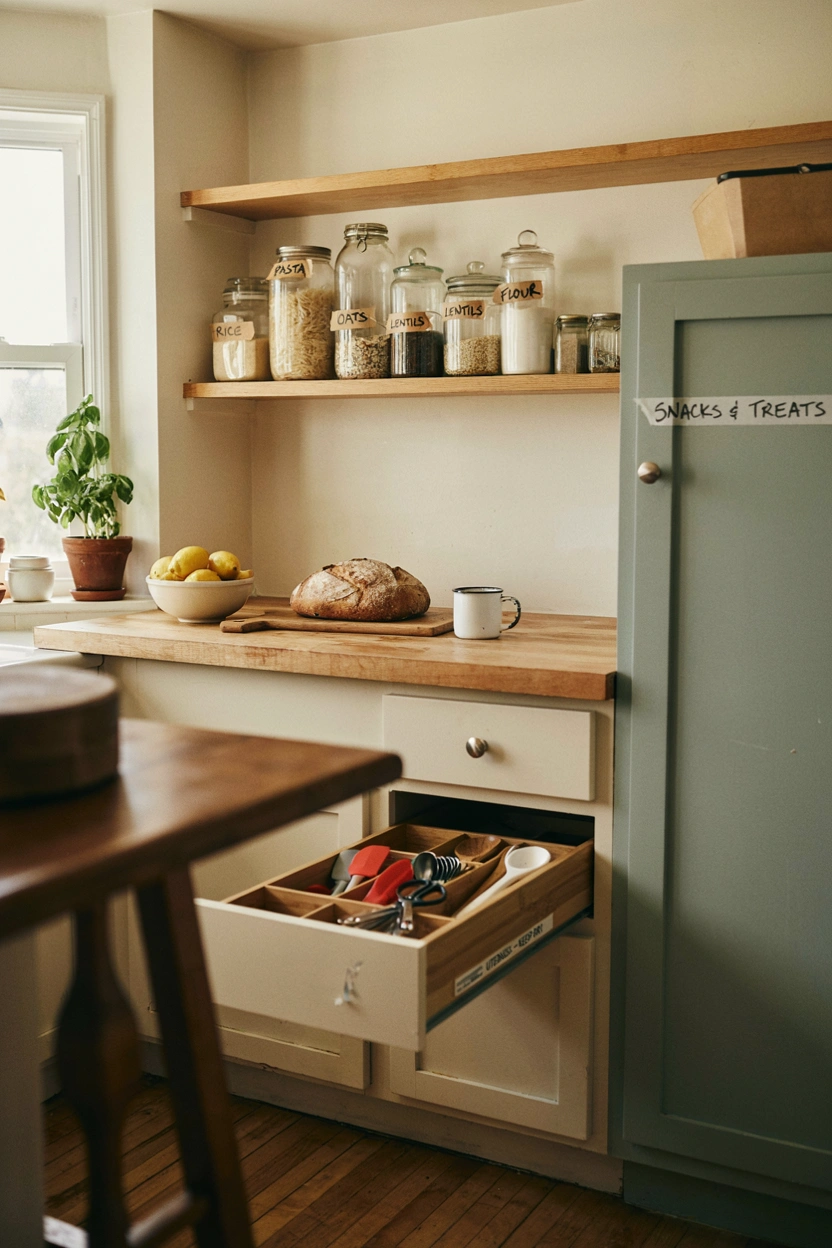
If you bake often—especially cupcakes, muffins, cookies, and brownies—batching dry ingredients can save you significant time. Pre-measure flour, sugar, cocoa powder, and leaveners into labeled airtight jars for your most-used recipes. When it’s time to bake, you simply dump and mix. Because the ingredients were measured carefully ahead of time, the results are perfectly consistent every time.
Using a kitchen scale makes batching even easier. You can weigh ingredients into containers without creating a mountain of dirty cups and spoons. Just tare the scale between additions and keep going. Prepping this way also helps you produce multiple batches at once—great for holidays, birthdays, bake sales, or meal-prepped treats.
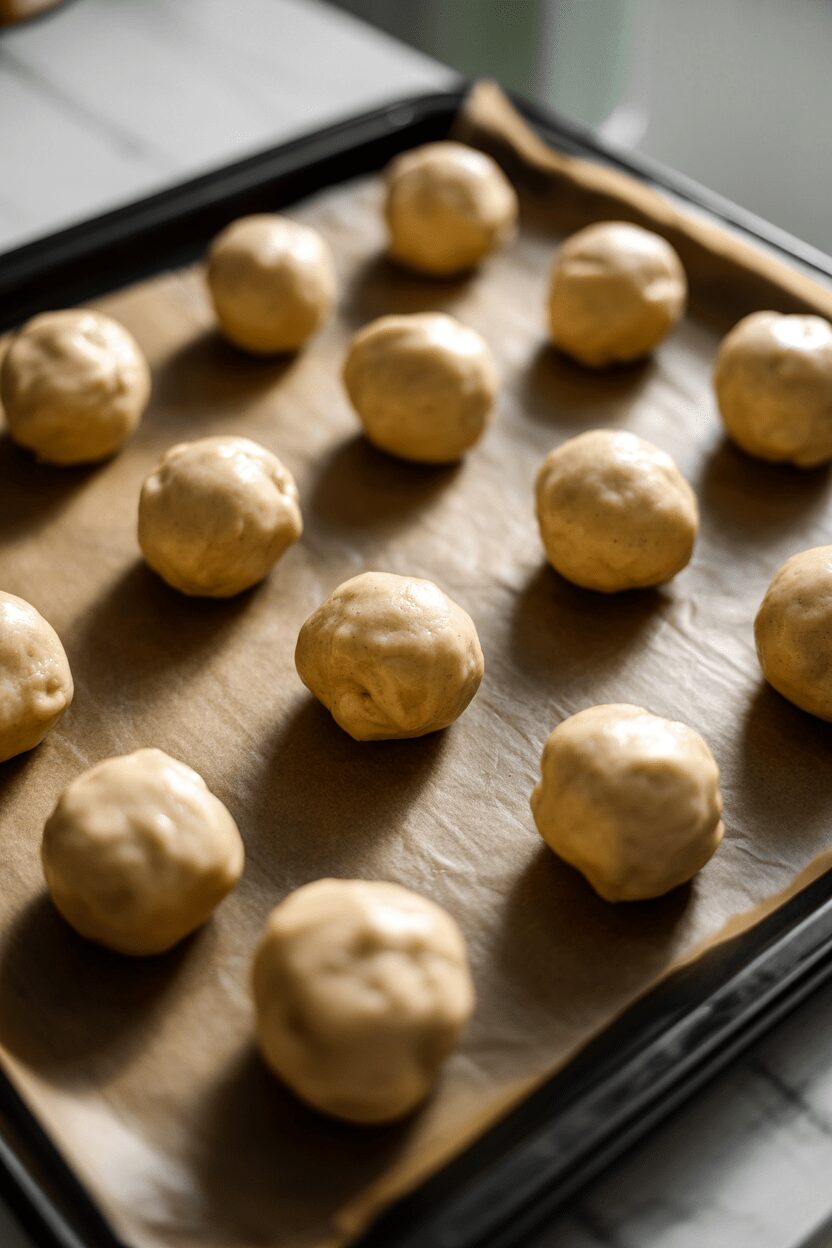
If you enjoy baking in larger quantities, pair this method with freezing techniques. While you can’t freeze batters reliably, you can freeze cookie dough, portions of chocolate, and even some frosting bases. Your freezer workflow improves dramatically when everything is measured properly upfront. For guidance on prepping and storing dough, see How to Freeze Cookie Dough.
- Measure all ingredients before mixing to avoid mistakes.
- Use small prep bowls for organization and accuracy.
- Batch dry ingredients for your most-used recipes.
- Weigh ingredients to speed up batching and reduce dishes.
- Combine batching with freezer methods for ultra-efficient baking days.
These habits don’t just save time—they enhance consistency and help ensure every bake starts from the same accurate foundation. When you combine this efficiency with proper measurement techniques, you’re well on your way to baking with confidence, precision, and ease.
Frequently Asked Questions
What’s the most accurate way to measure ingredients for perfect results?
Using a digital kitchen scale is the gold standard. It ensures consistent results every time and removes variations caused by packed cups or uneven scoops. Weight is the closest thing to “error-proof” baking.
Why does my flour measurement vary so much?
Flour naturally compacts in storage. Scooping directly from the bag can add 30–50 extra grams. Fluffing, spooning, and leveling—or better yet, weighing—keeps your measurement precise.
Do I really need both liquid and dry measuring cups?
Yes. Liquid cups allow accurate eye-level measurement and prevent spills, while dry cups give clean, level measurements for flour, sugar, and cocoa. Using the wrong type skews the amount.
How do I measure ingredients without a scale?
Use the spoon-and-level method for dry ingredients and clear cups for liquids. While not as precise as weighing, these methods get you much closer to accurate results.
Should I pack brown sugar when measuring?
Yes—brown sugar should be firmly packed unless the recipe says otherwise. The molasses content makes it behave differently from other dry ingredients.
How can I measure sticky ingredients cleanly?
Spray the measuring cup or spoon with nonstick spray before filling. Honey, molasses, and peanut butter slide right out, giving you an exact measurement without the mess.
Why do my baked goods turn out differently each time?
Even small measurement inconsistencies can change moisture, texture, and structure. Using a scale, leveling dry ingredients, and measuring liquids at eye level help eliminate these variations.
How does humidity affect ingredient measurement?
Flour absorbs moisture from the air, which changes its weight and volume. On humid days, you may need slightly less liquid; in dry climates, you may need slightly more. Weighing ingredients helps neutralize these shifts.
Can I use my scoop in the flour container if I shake it first?
Shaking or tapping still compacts the flour. The safest method remains spoon-and-level or weighing directly. Scooping adds too much flour almost every time.
Measurement might not be the flashiest part of baking, but it’s the one skill that quietly transforms every recipe you touch. If these techniques helped you understand how to measure ingredients for perfect results, save this guide to Pinterest so you can reference it anytime a recipe calls for precision—or when a bake doesn’t turn out quite right and you want a quick troubleshooting refresher.
Keep it on your baking boards, share it with friends who are just getting started, or pin it alongside your favorite cupcake and cookie tutorials. And for more Baking 101 breakdowns, cupcake wisdom, and foolproof baking tips, follow Berry Whisk on Pinterest for inspiration that makes every bake smoother, easier, and a whole lot more delicious.