
Best Tools for Beginner Bakers
Stepping into baking for the first time feels a little like stepping into a chemistry lab—hopeful, curious, and armed with a whisk you’re not totally sure how to hold. The truth is, every confident baker you admire started exactly where you are now: staring at a mixing bowl, wondering whether the tools in their drawer were actually enough to pull off a batch of cookies that didn’t pancake into oblivion.
The secret is beautifully simple. You don’t need a kitchen full of gadgets—you just need the best tools for beginner bakers, the ones that make mixing smoother, measuring accurate, chocolate easier to melt, and early wins feel inevitable. Once you have the right gear in your corner, recipes suddenly make sense, mistakes feel fixable, and your kitchen starts to feel like a place where good things rise.
This post may contain affiliate links which helps me keep this blog alive, questions? View the privacy policy.
The Case for Starting With the Basics

Baking looks magical from the outside, but anyone who’s ever watched a cupcake sink or a brownie bake unevenly knows it’s really a meticulous little dance between ingredients, heat, and timing.
That’s why starting with the best tools for beginner bakers matters so much—they remove the guesswork. When your flour is measured accurately and your oven actually sits at the temperature it promises, suddenly your bakes begin to behave.
It’s the same reason understanding the chemistry of rise in your batter leads to more predictable, confidence-boosting results, something explored beautifully in this guide to leavening agents.
Think of this stage as your foundation. Before the fancy piping tips and stand mixers come into play, the basics do the heavy lifting.
A good set of mixing bowls, a reliable kitchen scale, and tools that help prevent classic mishaps—like overmixing or uneven melting—can turn early baking attempts into solid wins.
If you’ve ever tried melting chocolate only to scorch it into a grainy lump, you already understand the value of technique paired with the right gear; the method in this chocolate-melting walkthrough is a perfect example of how tools and know-how work together.
And because every new baker faces a few universal blunders, it helps to know that the most common slip-ups are often caused by the tools themselves.
Uneven oven heat, dull spatulas that leave half your batter behind, warped sheet pans that tilt your cookies off-center—these are frustrations you don’t need to “grow through.” You can simply avoid them.
Starting with the best tools for beginner bakers sets you up for smoother progress, fewer disappointments, and a whole lot more joy in the process. For a deeper look at what often goes wrong and why, this breakdown of common baking mistakes is an eye-opener.
The Absolute Essentials Every Beginner Needs
If you’re just starting out, these tools deserve top billing. They’re the foundational gear that will make your first successful loaves, cookies, and cakes far more likely. Because once you have the best tools for beginner bakers working for you, even so-called “hard” recipes suddenly feel doable.
Stainless Steel Mixing Bowl Set
This nesting set of mixing bowls is a game-changer. Heavy enough not to slide around, stainless-steel to stay cool (great when tempering chocolate), and available in multiple sizes so you’re covered whether you’re whipping up frosting or mixing cookie dough. A solid all-purpose bowl like this pays for itself in ease and cleanup.
Escali Primo Digital Kitchen Scale
When you switch from cups to grams, your baking becomes far more precise. The Escali Primo scale is compact, simple, and accurate—perfect for measuring flour, sugar, or cocoa powder to the gram rather than eyeballing it. Pair it with your go-to recipes and you’ll notice consistency skyrocket.
Pyrex Glass Measuring Cup Set
Dry and liquid measuring cups serve two different jobs—and mixing them up invites disaster. Pyrex’s glass measuring cup set pours with ease, and a matching stainless spoon set is ideal for precise smaller amounts. Beginners especially benefit from this clarity when they’re still learning how recipe measurements affect rise, texture, and timing.
Le Creuset Silicone Spatula Set
Silicone spatulas flex just right: they scrape every last bit of batter from the bowl without scratching, and they handle heat if you melt chocolate or fold warm ingredients. A set like this ensures you don’t waste batter—and lets you stir, fold, and scrape like a pro even on day one.
OXO Good Grips 10-Inch Balloon Whisk
This whisk is light, responsive, and perfect for beginners who aren’t yet ready for stand mixers. It aerates eggs, blends dry ingredients smoothly, and helps create fluffy batters with minimal effort. Great for pancakes, cakes, or simple batters.
Hamilton Beach 6-Speed Hand Mixer
The hand mixer is the easiest way to get real mixing power without investing in a heavyweight stand mixer. It creams butter and sugar, whips cream, and handles thicker batters or cookie doughs. If you bake occasionally or are new, this is often the most useful “power” tool you’ll own.
Nordic Ware Half Sheet Pan + Cooling Rack Set
Sheet pans and cooling racks go hand in hand. Use the pan for cookies, bars, and sheet cakes; then let cooling racks do their magic so baked goods don’t get soggy on the bottom. This set is durable, oven-safe, and gives you plenty of real estate for batch baking.
USA Pan 9×13 Bakeware + Chicago Metallic 8-Inch Square Pan
Between these two pans, you’ve covered the vast majority of baking tasks: brownies, snack cakes, casseroles, dessert bars, even small lasagnas. Durable, easy to clean, and reliably heats evenly—great for holiday desserts or chocolate-fudge bars that need steady baking.
Parchment Paper Sheets
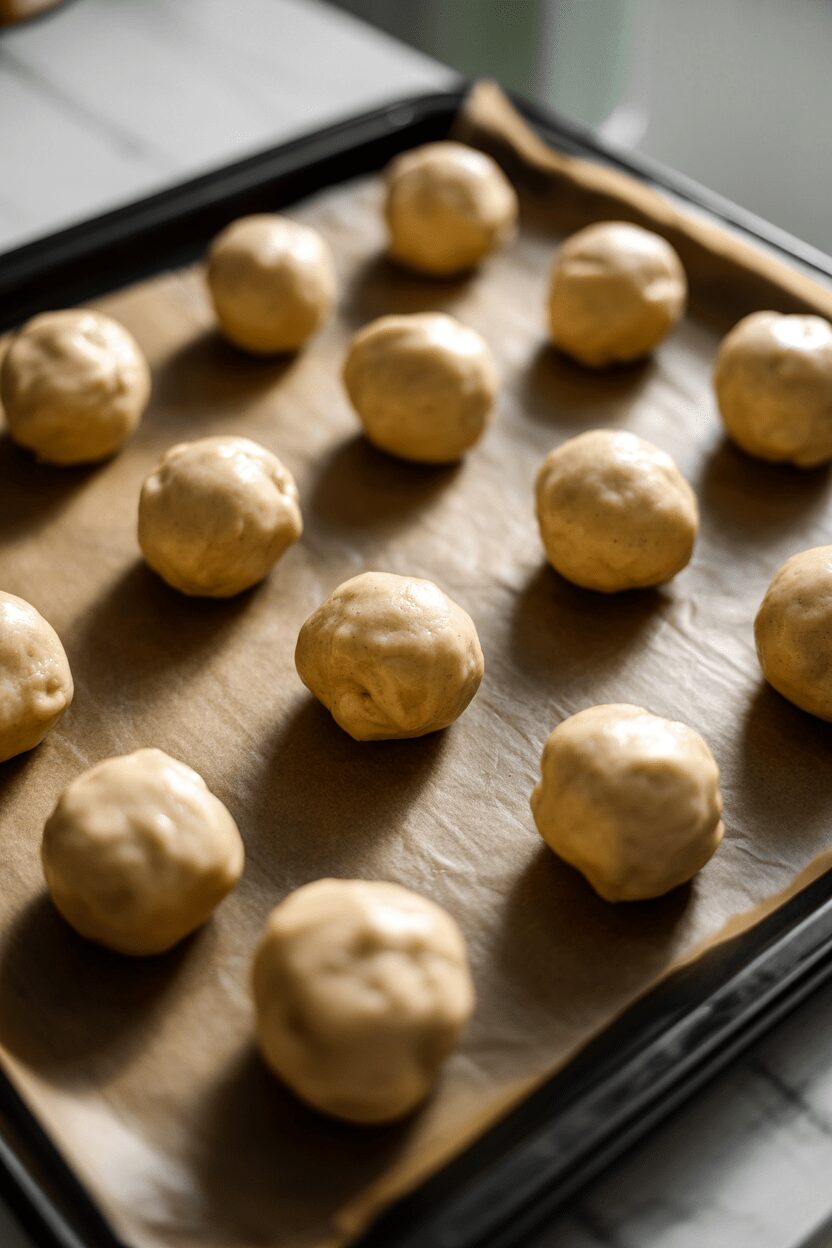
Parchment paper saves you from the heartbreak of perfect cookies stuck to a pan. These pre-cut sheets fit neatly in most pans, encourage even browning, prevent sticking, and make cleanup faster. For beginners especially, they minimize the risk of ruined bakes.
ThermoPro Digital Oven Thermometer
Many household ovens don’t bake at the temperature they say they do. This digital thermometer gives you peace of mind—ensuring cakes rise properly, cookies bake evenly, and nothing scorches because your oven runs hot without telling you. A must-have for reliable results.
Silpat Silicone Baking Mat
Optional but highly useful if you bake cookies or repeated batches often. This silicone mat promotes even baking, reduces sticking, and extends the life of your sheet pans. Great for cookies, biscotti, or small-batch breads — and a smart upgrade once you’ve got the basics in place.
Smart Beginner Upgrades (When You’re Ready for Next-Level Confidence)
Once you’ve mastered the essentials and feel your confidence rising along with your first successful batches, you might crave a little more power, precision, or finesse. These upgrades aren’t required for beginners, but they do make certain techniques easier, faster, and more consistent. Think of them as the next tier of the best tools for beginner bakers—the ones that help you level up without overwhelming your workflow.
KitchenAid Classic Series 4.5-Qt Stand Mixer
A stand mixer is the closest thing baking has to a superpower. It kneads dough, whips meringue, creams butter and sugar until impossibly fluffy, and handles thick batters without breaking a sweat. If you’re starting to bake more frequently—or you’re diving into breads, frostings, or multi-step desserts—this is the upgrade that changes everything. A smaller 4.5-qt model is perfect for beginners who want reliability without the bulk.
Cuisinart Smart Stick Immersion Blender
For bakers who dabble in sauces, fillings, purées, or smooth batters, an immersion blender is shockingly versatile. Instead of hauling out a full food processor, you can blend warm fruit compotes, silky ganaches, or custard bases right in the pot. It’s compact, powerful, and ideal for upgrading from basic mixing to more advanced textures with ease.
USA Pan 8-Inch Round Cake Pans (Set of 2)
If layer cakes are calling your name, this pair of professional-quality pans bakes evenly, releases cleanly, and prevents the doming that frustrates so many beginners. They’re especially useful when experimenting with cupcake and cake batters, like the ones explored in this batter behavior guide. Even heat distribution equals fewer surprises and better structure.
Ateco Offset Spatula (4.5-Inch)
An offset spatula is one of those tools you don’t know you need until you have it. Suddenly frosting a cake stops feeling like a workout and starts feeling like painting. This smaller size is beginner-friendly, gives you excellent control, and helps you smooth icing, spread batters evenly, and loosen baked goods from pans with finesse.
Wilton 12-Cup Nonstick Muffin Pan
Once you’re comfortable baking simple bars or snack cakes, muffins and cupcakes are an easy next step. This Wilton pan heats uniformly and releases cleanly, which helps beginners avoid the dreaded stuck liners or pale-bottomed cupcakes. Pair it with your newfound understanding of batter ratios—and a good set of liners—and you’re unstoppable.
These upgrades aren’t about “more stuff.” They’re about expanding what you can pull off with confidence. If you already love what’s happening in your mixing bowl, these are the tools that help you stretch, experiment, and keep building skills that stick.
Tools That Help Beginners Avoid the Most Common Baking Mistakes
Every new baker hits the same roadblocks: sunken centers, uneven browning, scorched chocolate, gummy textures, and the classic “why did my cookies spread into one giant cookie?” moment. The good news is that many of these issues have surprisingly simple fixes—and often, the right tool is half the solution. Pair these essentials with solid technique and a little baking science (like the insights in this leavening explainer), and your success rate climbs fast.
ThermoPro Instant-Read Digital Thermometer
An instant-read thermometer is a secret weapon you don’t realize you need until you pull off perfect fudge, glossy chocolate, or custards that actually set. Temperature matters in baking more than beginners expect, and a fast-reading thermometer helps prevent curdling, scorching, or undercooked centers—especially when working through chocolate-heavy treats like the ones in your chocolate dessert roundup.
Fine-Mesh Strainer / Flour Sifter
This simple tool pulls double duty: it aerates dry ingredients for lighter cakes and cupcakes, and it strains clumps from cocoa, confectioners’ sugar, or custards. If you’ve ever ended up with pockets of unmixed cocoa in brownies or gritty ganache, a fine-mesh strainer eliminates those issues. It’s especially helpful when baking recipes that rely on delicate crumb structure.
Stainless Steel Bench Scraper
A bench scraper instantly makes you feel like a real baker. It cleans your work surface in one swipe, divides dough with precision, lifts sticky batter, and even helps with smoothing frosting or leveling ingredients. When you’re learning dough handling or trying recipes like dessert bars from your bar collection, a scraper helps keep everything neat and controlled.
Silicone Heat-Resistant Bowl Scraper
Bowl scrapers are gentle but incredibly efficient—perfect for delicate batters that you don’t want to deflate. They help scoop up every last bit of mixture, guide dough cleanly from bowl to pan, and reduce overmixing by making folding motions easier. Ideal for cupcake and cake batters, especially if you’re mastering the concepts explained in this batter behavior guide.
Heavy-Duty Cooling Rack (Oven-Safe)
Cooling is a crucial step beginners often overlook. Without proper airflow, baked goods steam themselves into soggy bottoms. An oven-safe cooling rack allows cookies, loaves, and bars to set properly, giving you crisp edges and evenly cooled centers. Use it with your favorite recipes—from brownies to holiday bakes—to instantly improve texture.
Small tools like these eliminate the most predictable frustrations. When paired with the essential gear you already have, they help you avoid the classic pitfalls that slow new bakers down. With the best tools for beginner bakers in your corner, each recipe turns into a learning moment instead of a mystery.
Tried-and-True Recipes to Practice With Your New Beginner Tools
Once your toolkit is stocked and your confidence is warming up, the best thing you can do is bake—again and again, with recipes built for learning. The right recipes help you understand texture, timing, mixing methods, and how ingredients behave. These practice-friendly picks pair beautifully with the best tools for beginner bakers, giving you a chance to test your bowls, spatulas, thermometers, pans, and measuring gear while actually enjoying something delicious at the end.
Chocolate Lover Projects
Chocolate is one of the most beginner-friendly ingredients—rich, forgiving, and wildly satisfying when melted correctly. Start with recipes that help you practice gentle heat, folding, and accurate measuring. Try exploring the chocolate-forward ideas in your chocolate dessert collection and challenge yourself with the techniques from this chocolate melting guide. Chocolate fudge and brownies are the perfect candidates for learning how batter thickness, pan material, and oven temperature affect texture.
If you want a reliable external reference, classic brownie techniques from AllRecipes or Taste of Home offer excellent practice for folds, melts, and temperature control.
Easy Dessert Bars
Dessert bars are a beginner’s playground. They’re mixed in one bowl, baked in sturdy pans like your 9×13, and offer a ton of flexibility if you’re still figuring out how your oven behaves. Working through the simple bakes in your dessert bar roundup gives you exposure to press-in crusts, layered fillings, and cooling techniques—especially helpful when practicing with your sheet pans, cooling racks, and spatulas.
For additional inspiration, Food Network’s basic bar recipes offer a great comparison point for times and textures.
Holiday-Friendly Treats
Seasonal bakes are fantastic for practicing consistency. They often use spices, multiple textures, and fun decorative elements, giving new bakers a feel for measuring accuracy and oven timing. Dive into your Thanksgiving dessert collection or try something rich and sweet from your chocolate fudge recipes to test your tools under a mix of techniques.
Holiday pies and seasonal treats from reputable sources like Food Network and Taste of Home also give beginners a helpful frame of reference for comparing textures, bake times, and doneness cues.
Each of these categories does more than give you a delicious end result—they help you understand how your new tools behave in real baking situations. Pairing trustworthy recipes with the best tools for beginner bakers gives you a clear path to learning without the overwhelm. You’ll gain a feel for how batter consistency changes as you mix, how pans conduct heat, how thermometers help prevent mistakes, and how cooling racks improve texture. These small lessons add up fast—and they’re the foundation of becoming a confident baker.
How to Build a Beginner Baker’s Starter Kit (Your First 5 Tools)
If you’re overwhelmed by options or working with a small budget, start simple. You don’t need a full cabinet of gear to bake well—you just need a handful of the best tools for beginner bakers that give you the biggest return on effort. These five essentials cover nearly every recipe you’ll tackle in your first few months and help you avoid the classic frustrations that make new bakers want to quit.
1. Mixing Bowls
Whether you’re folding batter, melting chocolate over a double boiler, or prepping a crumble topping, dependable mixing bowls give you the space and stability you need. Stainless or tempered glass bowls hold temperature beautifully and make tasks like mixing cookie dough or whipping cream feel effortless.
2. Digital Kitchen Scale
This is the single biggest upgrade a beginner can make. A scale removes guesswork, improves accuracy, and helps you understand ingredient ratios—something that becomes even more important once you start experimenting with recipes like cupcakes and snack cakes. You’ll wonder how you ever baked without it.
3. Silicone Spatulas
Spatulas are the unsung heroes of beginner baking. They’re flexible enough for folding delicate batters, sturdy enough for thicker doughs, and perfect for scraping bowls clean so nothing goes to waste. A good set instantly improves your mixing technique.
4. Sheet Pan + Cooling Rack
A reliable sheet pan and cooling rack set forms the backbone of home baking. You’ll use it for cookies, dessert bars, roasting nuts, cooling cakes, and even prepping decorations. Together, they help you bake more evenly and cool your projects properly so textures stay just right.
5. Hand Mixer
Before you even think about a stand mixer, a simple hand mixer gives you everything you need for creaming butter and sugar, whipping cream, and mixing thicker batters. It’s compact, affordable, and powerful enough to take you through dozens of beginner recipes with ease.
With these five basics, you can bake almost anything—from brownies to birthday cakes, from muffins to simple holiday desserts. Once these feel second nature, the rest of the best tools for beginner bakers become upgrades rather than necessities. This is where your confidence grows, your technique strengthens, and baking begins to feel less like guesswork and more like pure joy.
What NOT to Buy as a Beginner
There’s a funny twist in the world of baking tools: the more new you are, the more tempting the novelty gadgets become. But the truth is, beginners need fewer tools—not more. The best tools for beginner bakers are the ones that give you versatility, reliability, and confidence… not a drawer full of oddly shaped plastic things you’ll use once and regret forever. Consider this your permission slip to skip the fluff.
Single-Use Gadget Sets
Donut makers, cupcake injectors, strawberry hullers, pie crust rollers with zigzag edges—these tools promise ease but end up collecting dust. They rarely work as well as advertised, and most recipes already use simple gear you own. Stick with essentials until you know what you truly love baking.
Bundled Bakeware “Mega Sets”
These oversized sets often include pans you’ll never need, tools that won’t last a season, and shapes that don’t match standard recipes. The essentials—like a solid 9×13, an 8-inch square pan, or a half sheet pan—perform far better on their own. Buy quality piece by piece rather than settling for a bundle of maybes.
Super Cheap Silicone Molds
Silicone is fantastic in the right form (baking mats, spatulas), but bargain-bin molds tend to warp, burn, or leach weird smells into your bakes. They also heat unevenly, which is discouraging when you’re learning. Stick to metal pans or reputable brands until you understand how your oven behaves.
Plastic Measuring Cups
They warp, scratch, and become inaccurate faster than you think. Since baking is all about precision, this affects your results way more than beginners realize. A reliable stainless or high-quality plastic set is the way to go—paired with a digital scale as your real measurement MVP.
Decorating Kits With 100+ Tips
When you’re still figuring out frosting consistency and how to hold a piping bag, a giant set of tips is overkill. Start with one star tip, one round tip, and an offset spatula. You’ll learn faster, waste less frosting, and avoid feeling overwhelmed by endless tiny metal pieces.
You only need a foundation when you’re starting out—nothing more. When you invest in the best tools for beginner bakers, you’re opting for gear that grows with you, rather than clutter that trips you up. Skip the gimmicks, buy smart, and let your skills—not your gadgets—lead the way forward.
Final Thoughts: Tools That Grow With You

Baking looks complicated from the outside, but once you’ve stocked your kitchen with the best tools for beginner bakers, the whole process becomes calmer, clearer, and a lot more fun. You stop guessing whether your oven is lying to you, whether your measurements are off, or whether your batter is supposed to look like that—and you start learning how ingredients behave, how heat transforms your work, and how small choices turn into big improvements.
The tools you’ve added to your kitchen aren’t just “gear.” They’re teaching aids. Every mixing bowl teaches you structure. Every scale teaches you ratios. Every cooling rack teaches you texture. And every recipe you try—whether it’s a rich bar from your dessert bar collection or a chocolate-forward treat from your chocolate dessert roundup—helps your instincts sharpen little by little.
As you bake more, you’ll naturally discover what you love, what frustrates you, and which techniques you’re excited to master next. That’s when upgrading feels intuitive—never rushed. Let your curiosity lead, keep building your foundation, and remember: even the most accomplished bakers started with the same simple, sturdy basics sitting on your counter right now.
The best tools aren’t the fancy ones—they’re the ones that help you keep going.
FAQ: Beginner Baking Tools, Techniques & Your First Steps
New bakers all tend to ask the same questions—and honestly, the questions are where the learning begins. These quick answers will help you get comfortable with your gear, avoid common pitfalls, and understand how the best tools for beginner bakers support your growth one recipe at a time.
Do I really need a kitchen scale as a beginner?
Yes—if there’s one tool that instantly improves your bakes, it’s a digital scale. Baking is chemistry, and small variations in flour or sugar can dramatically change texture. Weighing ingredients removes the guesswork and keeps results consistent, especially when you’re learning how batters behave.
What are the first three tools every beginner should buy?
A set of sturdy mixing bowls, a digital scale, and a silicone spatula will take you surprisingly far. With these alone, you can make cookies, bars, brownies, muffins, and simple cakes without frustration. They cover measuring, mixing, folding, scraping, and basic prep—your core baking skills.
Are silicone baking mats better than parchment paper?
They’re both great, but they serve different needs. Parchment is ideal for one-off bakes or recipes with sticky ingredients. Silicone mats shine in repeat cookie batches and projects where even heat distribution matters. As a beginner, parchment is usually enough—upgrade when you’re baking frequently.
Can I start baking without a hand mixer?
You can, but certain tasks—like creaming butter and sugar—are significantly easier with a hand mixer. If you’re only baking occasionally, whisking works in a pinch. But if you plan to bake weekly or want reliably fluffy cakes, a hand mixer is the smarter starting point.
What tools help prevent cakes from sinking?
Accurate measuring cups, a scale, and an oven thermometer make a huge difference. Sinking is often tied to incorrect leavening, poor mixing, or oven temperature issues—topics explored in this breakdown of leavening agents. The right tools help eliminate those variables so your cakes bake evenly.
Why do my cupcakes bake unevenly?
Uneven cupcakes often come down to inconsistent batter distribution, uneven oven heat, or improper mixing. Understanding how batter structure works—explained beautifully in this cupcake & cake batter guide—helps a lot. A good scoop, a thermometer, and gentle folding techniques solve most issues.
What’s the easiest recipe for beginners to start with?
Dessert bars and brownies are the most forgiving bakes for beginners. They require minimal mixing, use accessible ingredients, and help you understand pan size, cooling, and texture. Try exploring a simple bar from your dessert bar collection to build confidence quickly.
How long should good baking tools last?
Quality tools should last years, if not decades—especially metal pans, stainless bowls, silicone spatulas, and oven thermometers. Cheaper sets tend to warp or degrade quickly, which is why investing in the best tools for beginner bakers saves you money (and frustration) long-term.
Are stand mixers worth buying for a beginner?
They’re wonderful—but not essential. Start with a hand mixer, and upgrade only when you’re baking often or tackling recipes that truly need power (like bread doughs or large-scale frosting batches). A stand mixer should feel like a celebration purchase, not a requirement.
What’s the difference between dry and liquid measuring cups?
Liquid cups are designed for pouring and reading at eye level. Dry cups are meant to be filled and leveled. Mixing the two causes inaccurate measurements—one of the most common beginner mistakes. Once you master this distinction, your bakes immediately improve.
Whether you’re troubleshooting cupcakes or upgrading your toolkit, these FAQs should help clarify the decisions that actually matter. Pair solid knowledge with the best tools for beginner bakers, and you’ll feel your confidence rising every time you open the oven door.
If this guide helped you map out your first toolkit—or inspired you to upgrade a few essentials—don’t forget to save it for later. Pin it to your baking board so you always have a quick, trustworthy reference when you’re stocking your kitchen or trying a new recipe. With the best tools for beginner bakers at your fingertips, every bake becomes a little easier, a little more fun, and a lot more delicious.
📌 Save this post on Pinterest to come back to it anytime you’re ready to bake!