Winter ovens have a way of revealing the truth. One batch of cookies spreads into a buttery puddle, the next rises into perfect bakery domes — and all because of two tiny powders most bakers underestimate. The science of leavening agents (baking powder vs soda) determines whether your brownies stay fudgy, your muffins lift, or your cupcakes collapse like a bad mood. These ingredients aren’t just pantry staples; they’re chemical workhorses shaping texture, flavor, color, and rise long before your batter even hits the heat.
Understanding how they actually work flips a switch. Suddenly that “mystery” behind flat cakes, metallic-tasting cookies, or over-puffed banana bread becomes predictable instead of maddening. Once you grasp the difference between baking powder and baking soda — and when each one deserves a starring role — your kitchen confidence spikes. Consider this your friendly crash course in edible chemistry, delivered in true The Kitchn fashion: visual, practical, a little nerdy, and totally geared toward better bakes.
This post may contain affiliate links which helps me keep this blog alive, questions? View the privacy policy.
What Exactly Is a Leavening Agent? (And Why They Matter)
At its core, a leavening agent is any ingredient that creates gas bubbles in your batter or dough, giving baked goods their lift, tenderness, and irresistible crumb. When those tiny bubbles expand in the oven, they transform dense mixtures into muffins with proud domes, brownies with delicate crackle tops, and cookies that spread (or don’t) exactly the way you expect.
You experience their magic every day even if you don’t notice it: the hiss of pancake batter hitting a hot skillet, the puff of a biscuit straight from the oven, the way a cupcake rises evenly in its wrapper. The science of leavening agents (baking powder vs soda) determines texture, flavor, browning, and whether a bake stays moist or dries out. These aren’t minor background players — they’re the quiet architects behind your favorite treats. When you understand what’s happening inside the bowl, you start baking with intention instead of guesswork.
Baking Soda — The Fast-Acting Alkaline Powerhouse
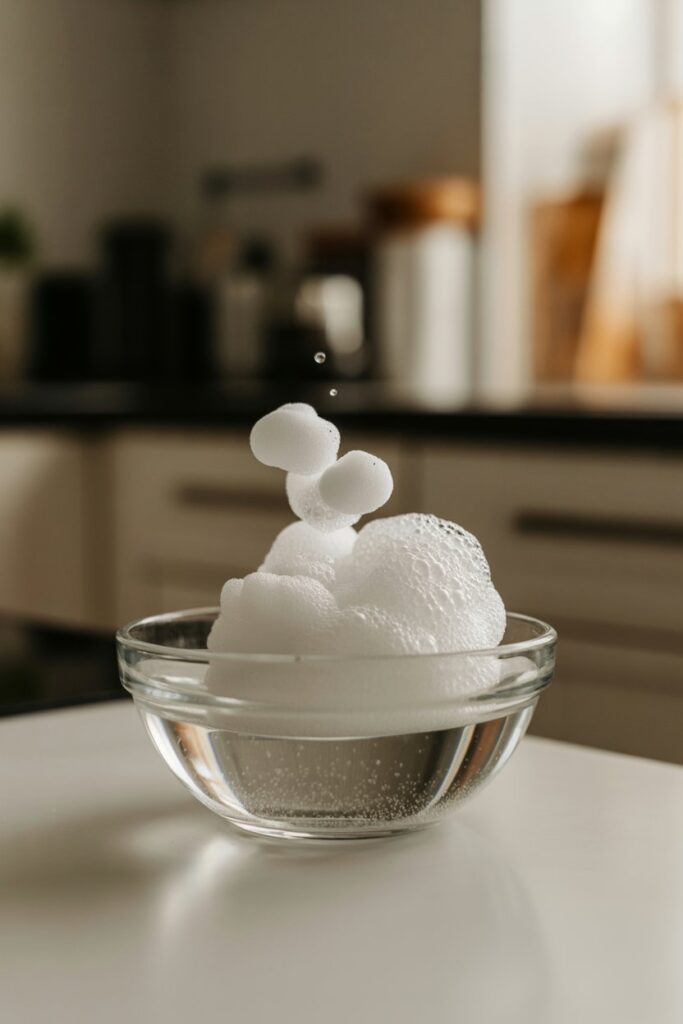
Baking soda is pure sodium bicarbonate, a wildly reactive ingredient that springs into action the second it meets both moisture and an acid. Think buttermilk, yogurt, lemon juice, brown sugar, or natural cocoa powder — all of them unlock baking soda’s fizz. That instant chemical reaction produces carbon dioxide bubbles that lift your batter right away, which is why banana bread rises quickly and why pancake batter starts to thicken and puff before it even hits the pan.
This speed is both its superpower and its chaos factor. Use too much and your bakes develop a strange, metallic flavor; use it without enough acid and your cookies barely rise at all. When you get it right, though? Chewy chocolate chip cookies, ultra-tender banana muffins, and beautifully bronzed baked goods thanks to soda’s knack for encouraging browning. A sturdy whisk or silicone spatula can help you fold it in evenly, preventing pockets of bitter soda from lurking in your batter.
Want to watch baking soda flex? Try a classic buttermilk pancake or banana bread recipe from Food Network — the bubbling lift is textbook kitchen chemistry in action.
Baking Powder — The Controlled, Double-Duty Lift
Baking powder is the more predictable sibling in the leavening family. It’s a complete package: baking soda + an acid (usually cream of tartar) + a stabilizing starch. Because the acid is already built in, baking powder doesn’t rely on ingredients like buttermilk or lemon juice to activate. It simply wakes up when it gets wet, then delivers a second, powerful lift once it hits the oven — the classic double-acting effect that gives muffins and cupcakes their signature soft domes.
This makes baking powder your go-to when you want structure, tenderness, and uniform rise without guessing about acid balance. It’s the reason a simple vanilla muffin stands tall and why quick breads stay fluffy instead of collapsing into dense bricks. For evenly dispersed lift, use a solid mixing bowl and a fine-mesh sifter to whisk everything together smoothly.
Baking Powder vs. Baking Soda — The Science, the Differences, the Drama
This is where the science of leavening agents (baking powder vs soda) really shows off. Both ingredients create carbon dioxide bubbles, but they behave nothing alike in your mixing bowl. Baking soda is strong, fast, and deeply reactive — a single spark of acid sets it off. Baking powder, meanwhile, is measured and steady, releasing lift twice and asking for far less fuss. Swap one for the other and your cookies, cakes, and bars can shift from glorious to “what on earth happened here?” in seconds.
Here’s the simplest way to visualize it:
- Baking Soda: Stronger. Faster. Needs acid. Encourages browning and spreading. Perfect for chewy cookies and deep, rich flavors.
- Baking Powder: Milder. Reliable. Contains its own acid. Produces a gentler, more controlled rise — ideal for muffins, cupcakes, and quick breads.
Misjudge them and you’ll notice it instantly: cookies that puff when they should spread, cakes that collapse in the center, or that unmistakable metallic tang from too much soda. Once you understand the chemistry at play, though, everything from dessert bars to Thanksgiving pies becomes more predictable. It’s the difference between crossing your fingers and baking with intention.
For more insight into how batter structure reacts to different leavening agents, explore how cake and cupcake batters behave differently: Why Cupcake & Cake Batter Behave Differently.
How Leavening Agents Affect Texture, Flavor & Color
The moment baking soda or baking powder hits your batter, they begin shaping everything you’ll feel in the final bite — the crumb, the tenderness, the lift, even the way each surface browns. This is the heart of the science of leavening agents (baking powder vs soda): the gas bubbles they create don’t just push batter upward, they determine how airy or dense your dessert becomes. A fluffy muffin, a crackly-topped brownie, a cake that slices clean instead of crumbling — all of it begins with these reactions.
Baking soda contributes deeper browning thanks to its alkaline nature, which speeds up the Maillard reaction (that gorgeous caramelized color on cookies and brownies).
It also develops richer, more complex flavors when paired with acidic ingredients. Baking powder, on the other hand, gives a clean, gentle rise and creates fine, delicate crumb structures — perfect for cupcakes and tea cakes where refinement matters. Watch these differences in action by exploring chocolate-based recipes like those in the Chocolate Fudge Collection or browsing the full lineup of Chocolate Desserts.
Common Mistakes Bakers Make With Baking Powder and Baking Soda
Even seasoned bakers slip up with leavening agents — they’re tiny, potent, and unbelievably easy to misuse. If you’ve ever pulled out a tray of cookies that ballooned into puffy little clouds or a cake that fell into a dramatic sinkhole, chances are the culprit was your baking powder or baking soda. Understanding these common errors makes the science of leavening agents (baking powder vs soda) feel far less mysterious and a lot more empowering.
- Using them interchangeably: Baking soda is stronger and needs acid; baking powder already contains acid. Swapping one for the other rarely works without adjusting the entire recipe.
- Adding too much baking soda: This is how you get that sharp, metallic aftertaste. A little goes a very long way.
- Using expired baking powder: Old powder loses its oomph. Weak rise = dense muffins and flat cakes.
- Not mixing thoroughly: Uneven distribution causes uneven lift, giving you lopsided cupcakes and weirdly textured cookies.
- Overmixing batter: Air bubbles deflate before they even reach the oven, sabotaging rise and texture.
- Ignoring acidity: Baking soda without an acidic ingredient won’t activate properly — which means no lift, no browning, and no magic.
One simple fix? Store your leaveners in airtight containers so moisture can’t creep in. A basic set of pantry jars works beautifully (Amazon). Fresh ingredients = predictable chemistry.
How to Choose the Right Leavening Agent (With Simple Kitchen Tests)
Once you understand how each ingredient behaves, choosing between baking powder and baking soda becomes less of a guessing game and more of a quick, confident decision. This is where the science of leavening agents (baking powder vs soda) really pays off: the right choice gives you lift, structure, browning, and flavor exactly where you want it. The wrong choice… well, that’s how you end up with gummy muffins or cookies that barely spread.
Here’s a simple cheat sheet for everyday baking:
- Is there acid in the recipe? (buttermilk, lemon, natural cocoa, yogurt)
Baking soda is your match. - Is the batter mostly neutral? Think classic vanilla cakes or muffins.
Baking powder does the heavy lifting. - Want more browning and deeper flavor?
Lean toward baking soda. - Want clean, predictable rise with no surprises?
Baking powder is the winner. - Need height and structure?
Use powder. It lifts twice.
If you’re ever unsure whether your leaveners are still active, give them a two-second kitchen test: baking soda should fizz instantly in a splash of vinegar, while baking powder should foam up in warm water. No reaction = time for a fresh container.
These tiny tests save entire batches of baked goods — and once you start using them, you’ll feel the chemistry click into place every time you enter the kitchen.
Recipe Ideas to Practice Both (With High-Authority Links)
Now that you understand the backbone of the science of leavening agents (baking powder vs soda), the best way to lock in that knowledge is to bake through it. Seeing how each ingredient behaves in real recipes makes the chemistry feel intuitive — you’ll start predicting texture, rise, and spread before the batter even hits the pan.
Try these classic recipes to watch each leavening agent shine:
- Chewy Chocolate Brownies (baking soda): A rich, fudgy base gets deeper flavor and darker color from soda’s alkaline nature. Try a version from AllRecipes or explore your own lineup of Chocolate Fudge Recipes.
- Classic Muffins (baking powder): Double-acting powder creates tall, tender domes — the kind you see in bakery windows. Taste of Home has excellent go-to muffin bases.
- Thick Chocolate Chip Cookies (baking soda): Soda encourages spread and browning, giving cookies those crisp edges and chewy centers. Check out versions on Food Network.
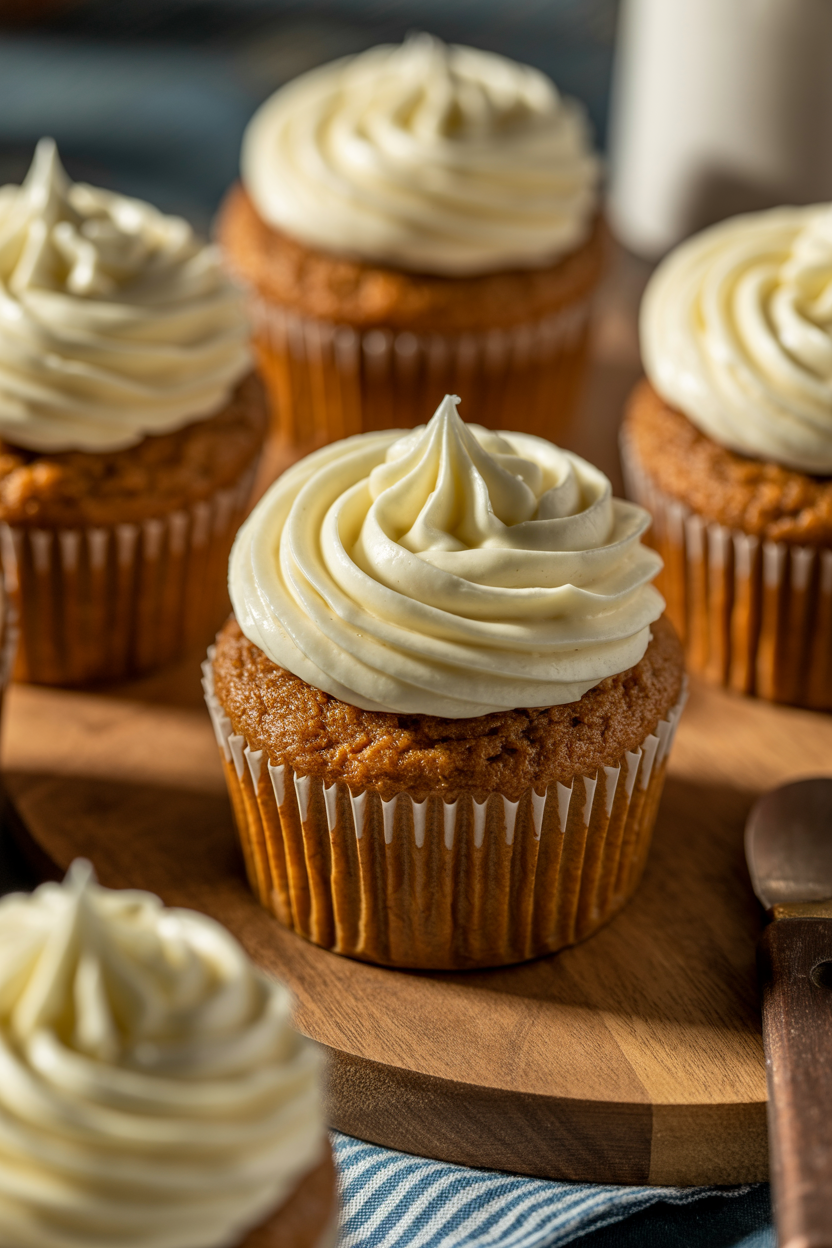
- Soft Vanilla Cupcakes (baking powder): Powder delivers a clean, even rise and a fine crumb. Pair this with your post on batter structure: Why Cupcake & Cake Batter Behave Differently.
- Pumpkin or Thanksgiving Desserts (often use both): Some recipes balance soda and powder to manage moisture and density. Your seasonal roundup is a perfect example: Thanksgiving Dessert Ideas.
Each of these recipes shows a different “personality” of leavening agents — once you’ve baked through them, the chemistry becomes second nature.
The Science of Leavening Agents (Baking Powder vs Soda) in Chocolate Baking
Chocolate desserts are where the science of leavening agents (baking powder vs soda) becomes especially noticeable — sometimes dramatically so. Cocoa isn’t just about flavor; it changes the entire chemical landscape of your batter.
Natural cocoa powder is acidic, which means it activates baking soda beautifully and creates deeper color, richer flavor, and that signature crackly top on brownies. Dutch-process cocoa, on the other hand, is neutral, so it needs baking powder to give cakes and cupcakes a proper lift.
This is why two chocolate cake recipes can look identical on paper yet bake up completely differently. Soda in a Dutch-cocoa batter often leads to sinking or odd textures because there’s no acid to support the reaction.
Powder in a natural-cocoa brownie recipe can make things puff too high and lose that dense, fudgy bite. Once you understand the cocoa–leavener relationship, dialing in the exact texture you want becomes straightforward.
Storage, Shelf Life & Freshness Tips
Even the best understanding of the science of leavening agents (baking powder vs soda) won’t save a bake if your ingredients are past their prime. Both baking powder and soda are sensitive to moisture and air exposure — two things most kitchens have in abundance. When they lose potency, your cakes won’t lift, your cookies won’t spread, and your quick breads will bake up dense and moody for no apparent reason.
To keep them in peak condition, store both ingredients in a cool, dry pantry and transfer them to airtight jars as soon as you open the packaging. Even a tiny bit of humidity can trigger early reactions and weaken their rising power. Simple pantry canisters work perfectly (Amazon). Replace baking powder every 6–12 months and baking soda every 12–18 months — earlier if you bake often or notice weaker results.
When in doubt, do a freshness test: baking powder should fizz in warm water, and baking soda should bubble instantly in vinegar. No reaction? Time to refresh your stash. Fresh leaveners mean predictable chemistry and consistently beautiful bakes.
FAQ: Your Biggest Questions About Baking Powder vs. Baking Soda
Even seasoned bakers have moments when these two little white powders feel like they’re plotting against us. Here’s a clear, friendly breakdown of the questions people ask most about the science of leavening agents (baking powder vs soda) — minus the confusion and chemistry jargon.
What’s the main difference between baking soda and baking powder?
Baking soda needs an acidic ingredient to activate, while baking powder already contains its own acid. Soda is fast and strong; powder is gentle and steady.
Can I substitute one for the other?
Not without adjusting the entire recipe. Because their strengths and activation methods differ, swapping them usually leads to flat cakes, overly spread cookies, or strange flavors.
Why do my cookies taste metallic?
Too much baking soda. Soda is powerful, and even an extra ¼ teaspoon can throw off the flavor balance.
Why didn’t my cake rise even though I followed the recipe?
Your baking powder may be expired, or your batter sat too long before baking. Both weaken the rise dramatically.
Does the acidity of chocolate affect leavening?
Yes — hugely. Natural cocoa activates baking soda; Dutch-process cocoa works best with baking powder.
Why do some recipes use both baking powder and baking soda?
Sometimes you need soda for browning and flavor, but powder for lift and structure. Using both lets bakers fine-tune texture.
Why do my muffins dome sometimes and flatten other times?
The cause is usually expired leaveners, uneven mixing, or your oven not fully preheated. All three affect rise.
Do leavening agents expire?
Yes. Baking powder loses potency within 6–12 months; baking soda can last longer but weakens over time. Always test if you’re unsure.
Can I double a recipe safely without messing up the rise?
Yes — but scale carefully. Overcrowding pans, under-mixing, or uneven oven heat becomes more noticeable in doubled batches.
Final Thoughts — Becoming a More Confident Baker Through Chemistry
Once you understand the science of leavening agents (baking powder vs soda), baking stops feeling like guesswork and starts feeling like a set of tiny, delicious experiments you actually control. These powders may be small, but they decide everything — lift, texture, color, even flavor. When you know which one to reach for, you bake with intention instead of crossing your fingers and hoping the oven behaves.
As you experiment, let your bakes guide you. Notice how brownies crack differently with soda, how cupcakes dome beautifully with powder, how chocolate reacts depending on the cocoa you use. Keep exploring your favorite collections like Dessert Bars and Chocolate Desserts — the more you play with leavening, the more you’ll see the patterns. That’s how confident bakers are made: one curious, slightly messy, wonderfully fragrant project at a time.
Pin this guide for later — so the next time you’re choosing between baking powder and baking soda, your future self has the answers ready to go.