

Incredibly Useful Baking Tips
Baking looks deceptively simple until you’re standing in your kitchen wondering why your butter is still cold, your chocolate just scorched, and your cake sank like it lost the will to live. That’s why having a handful of useful baking tips in your back pocket isn’t optional—it’s the difference between guessing your way through a recipe and actually understanding how to make it work. Baking is equal parts chemistry and comfort, and once you learn the foundational tricks, everything from weeknight brownies to celebratory layer cakes becomes easier, calmer, and a whole lot more fun.
Whether you’re perfecting silky ganache, figuring out how to freeze cookie dough without messing up texture, or finally learning to melt chocolate without burning it (yes, it’s possible), the right techniques unlock better flavor and consistency every single time. As you work through these useful baking tips, you’ll start to notice your confidence rising right along with your cakes—because baking is truly a skill that rewards anyone willing to slow down and pay attention.
Before we dive in, feel free to explore deeper guides like how to make perfect ganache, how to freeze cookie dough, and how to melt chocolate without burning it. They’ll pair beautifully with the techniques ahead and help you bake with more intention—and far fewer kitchen disasters.
This post may contain affiliate links which helps me keep this blog alive, questions? View the privacy policy.
Master the Fundamentals Before You Touch the Flour
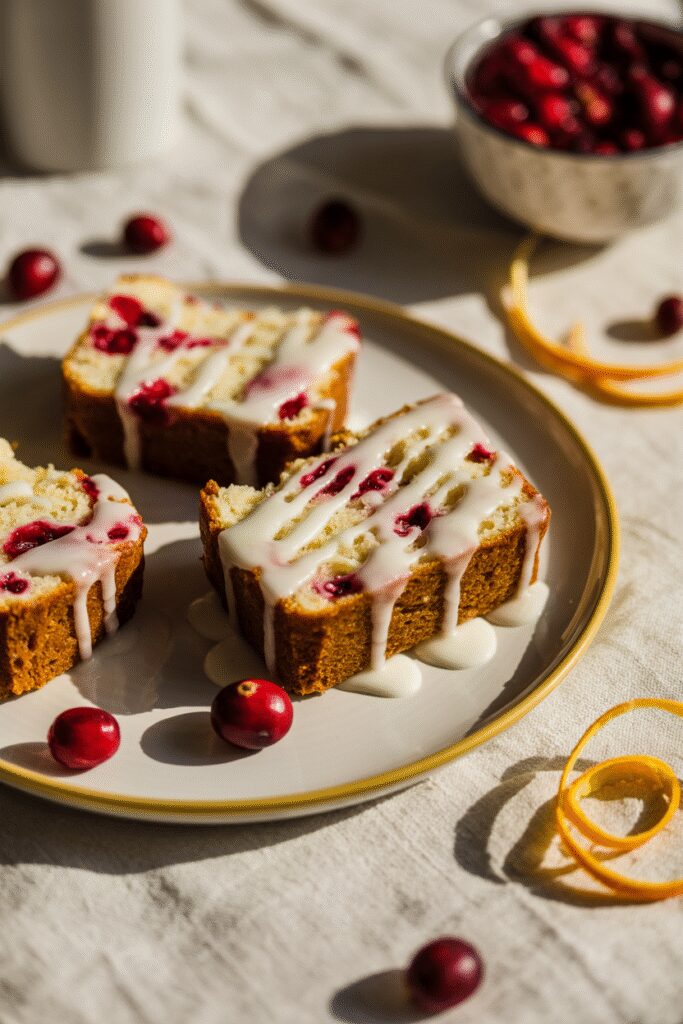
Baking is basically a friendly little chemistry experiment happening right in your kitchen. Ratios matter, temperatures matter, and technique matters even more. Once you understand the fundamentals, every recipe—whether it’s brownies, brioche, or your favorite chocolate chip cookies—makes a whole lot more sense. These useful baking tips are the foundation of better, more consistent baking.
The first upgrade every baker should make is switching from volume measurements to weight. A digital kitchen scale delivers accuracy that cups and spoons simply can’t match, especially for dry ingredients like flour. Even a slightly heavy hand can throw off your dough or batter, so the precision is worth it. A reliable scale like this stainless steel digital model keeps every measurement honest.
Room-temperature ingredients are another game changer. Butter that’s too cold won’t cream properly, and eggs straight from the fridge can shock your batter. When ingredients mix evenly, they create the structure your bake needs. Humidity and temperature in your home also play a role—a Calgary winter kitchen behaves very differently from a warm, humid summer kitchen, so expect your doughs to need slight adjustments throughout the year.
- Read the entire recipe before starting. It sounds tedious, but it saves you from mid-recipe panic when you discover your butter needed softening an hour ago.
- Use parchment paper for almost everything. Cookies bake evenly, cakes release cleanly, and cleanup becomes blissfully simple.
- Respect mixing times. Undermixed batter leads to streaks and dense texture; overmixed batter collapses and toughens. Follow the cues the recipe gives you.
For deeper guidance on baking basics, resources like Food Network’s Baking 101 and Taste of Home’s baking tips offer even more clarity. Every strong baker starts with the fundamentals—and mastering them is one of the most useful baking tips you’ll ever learn.
Temperature Mechanics — The Most Useful Baking Tip No One Teaches You
If baking has a secret language, temperature is its grammar. It decides whether your butter creams properly, your chocolate melts smoothly, and your cake rises instead of slumping into a tragic pancake. Understanding temperature control is one of the most useful baking tips because it influences every stage of the process.
Start with butter. Softened butter is cool to the touch but easily dented—not melted, greasy, or borderline liquid. When butter is too soft, cookies spread into puddles; when it’s too firm, they stay dense and don’t brown evenly. Chocolate is equally dramatic. Direct heat burns it quickly, which is why using gentle, indirect heat makes all the difference. If you’ve ever watched chocolate turn grainy and stiff, you’ll appreciate the step-by-step rescue in how to melt chocolate without burning it.
Eggs also matter here. When cold, they don’t whip properly and can cause batter to seize or curdle. Let them warm slightly before mixing. And ovens? They lie. Most ovens take a full 15–20 minutes to heat accurately, and many run hotter or cooler than they claim. An oven thermometer is the truth-teller no one realizes they need.
- For cookies: Chill the dough. This prevents spreading and deepens flavor. If you want an easy workflow, check out how to freeze cookie dough so you can bake small batches anytime.
- For cakes: Avoid opening the oven door for the first half of the bake—heat loss leads to dramatic cake collapse.
- For ganache: Heat the cream, not the chocolate. It’s the smoother, safer route, and this ganache tutorial breaks down exactly how to get it right.
Once you start paying attention to temperature, your baking becomes more consistent and predictable. It’s the quiet, behind-the-scenes skill that transforms “hope this works” into “I know exactly how this will bake”—and that’s the magic of truly useful baking tips.
Use the Right Tools (And Skip the Useless Ones)
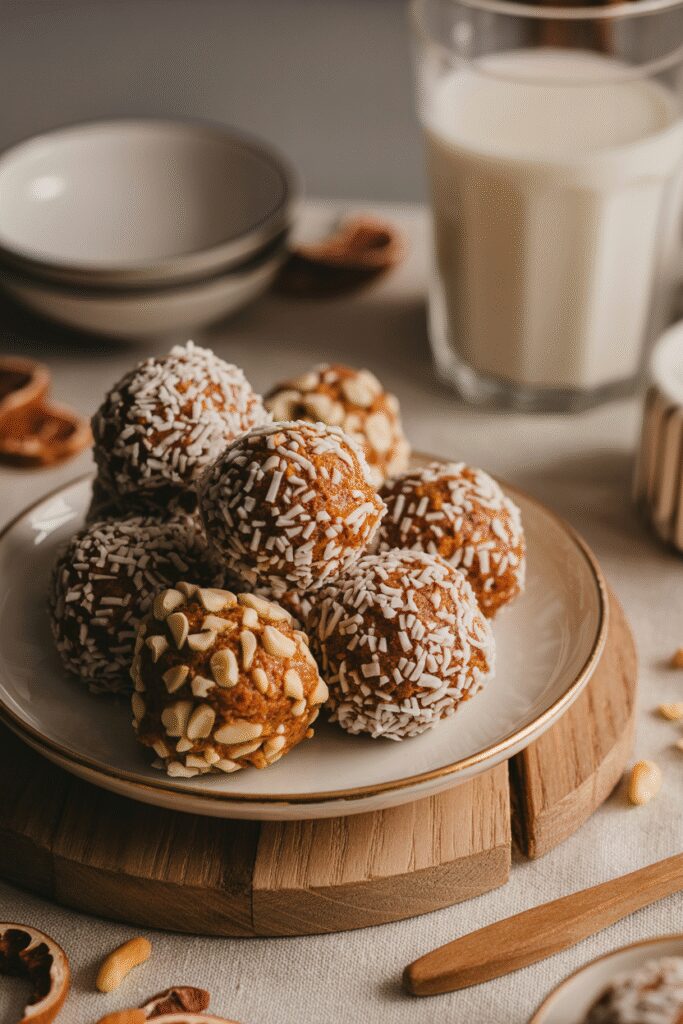
The right tools won’t turn you into a pastry chef overnight, but they will make your baking smoother, cleaner, and wildly more reliable. This is one of the most useful baking tips because tools directly impact texture, heat distribution, and how much frustration you deal with along the way. You don’t need a gadget-packed kitchen—just the essentials that actually matter.
Start with good-quality sheet pans. Thin, flimsy pans warp under heat and bake unevenly, which leads to cookies with burnt bottoms and pale tops. Sturdy aluminum pans hold heat consistently and last forever. Pair them with silicone baking mats or parchment paper to prevent sticking and encourage even browning.
A digital scale is another powerhouse tool. Measuring by weight eliminates guesswork, especially for flour, which packs differently depending on how it’s scooped. A reliable scale like this stainless steel digital model will immediately improve your accuracy. An offset spatula helps smooth cake batter, spread frosting, and lift delicate cookies with confidence. And a bench scraper? It’s your new best friend for working dough, cleaning surfaces, and precise portioning.
Round out your basics with durable 8-inch and 9-inch cake pans, a set of heat-safe mixing bowls, and an instant-read thermometer. The thermometer is especially invaluable for checking internal temperatures of breads and cakes, and even helps prevent overheated cream when making ganache. It ties beautifully into guides like melting chocolate without burning it or understanding cream temperatures for perfect ganache.
- Skip the novelty gadgets. Cupcake corers, single-purpose frosting combs, and oddly shaped pans clutter more than they help.
- Invest in longevity. Stainless steel, aluminum, and silicone tools hold up over time.
- Choose tools that match your baking habits. If you bake cookies weekly, prioritize great sheet pans; if you love cakes, upgrade your pan quality first.
Good tools don’t make you fancy—they make you efficient. And efficiency is one of the most underrated, incredibly useful baking tips you’ll ever learn.
Texture Secrets — Crispy Edges, Tender Middles, Soft Crumbs
Texture is the soul of baking. It’s what separates a dry muffin from a cloud-like one, a flat cookie from a chewy masterpiece, and a dense cake from a slice that melts on your tongue. Understanding how texture develops is one of the most useful baking tips because once you get it, every recipe becomes easier to troubleshoot and elevate.
Start with creaming. When butter and sugar whip together, they incorporate air that helps cakes rise and creates that tender, delicate crumb. Rushing this step leads to dense, heavy results. Folding is another technique that matters more than people think. Folding gently—rather than stirring aggressively—keeps batters airy and prevents gluten from overdeveloping, especially in muffins and sponge cakes.
Hydration is also a quiet but mighty player. Allowing doughs to rest helps flour fully absorb liquid, giving you smoother, more elastic dough and reducing cracks. It’s why cookie dough chilled overnight tastes richer and bakes more evenly. The same rule applies when working with chocolate—melted chocolate blends better when warm and fluid, as covered in how to melt chocolate without burning it.
Brownies offer a perfect texture lesson. Some recipes rely on melted butter for dense, fudgy squares, while others use creamed butter for lighter, cakier ones. If you’re aiming for perfect brownies every time, pairing these tips with a reliable recipe—like a top-rated one from AllRecipes or Taste of Home—gives you a clear benchmark.
- Rotate your pans halfway through baking to ensure even browning, especially for cookies.
- Choose aluminum over glass. Aluminum heats evenly; glass holds heat and can overbake edges while the center lags behind.
- Avoid over-flouring your surface when rolling dough—excess flour toughens pastries and biscuits.
When you understand these textural building blocks, you start baking intentionally rather than reactively. And that is one of the most empowering, truly useful baking tips a home baker can master.
Flavor Boosters That Make Every Bake Taste Bakery-Quality

Flavor is where baking becomes emotional. It’s the difference between a cookie that tastes “nice” and one that makes someone close their eyes for a second because it’s that good. Mastering a few simple ingredients and techniques is one of the most transformative useful baking tips—the kind that turns everyday recipes into signature bakes.
Start with cocoa powder. Blooming it with a splash of hot water or hot coffee deepens its chocolatey richness and gives brownies, cakes, and frostings a more complex flavor. Toasting nuts before adding them to batters or doughs unlocks a deeper, warmer aroma that raw nuts simply can’t compete with. For chocolate treats, a pinch of espresso powder intensifies flavor without making the dessert taste like coffee—an old pastry chef’s trick worth stealing.
Then there’s citrus zest. A hit of lemon, lime, or orange zest brightens everything from sugar cookies to quick breads. A microplane zester makes the process effortless and adds bursts of essential oils that oranges or lemons bring to life.
And if there’s a single flavor move that instantly elevates your baking, it’s brown butter. When butter is gently cooked until golden and nutty, it adds toffee-like notes to cookies, blondies, buttercream, and even pancake batter. Many bakers discover brown butter once and never go back. If you’re curious about mastering this, Food Network has an excellent guide on browning butter that breaks down the process clearly.
Piping bags also make a surprising impact—precision in placement means more intentional flavors and textures in every bite. Whether you’re piping ganache (perhaps the luscious version from your perfect ganache tutorial) or adding citrus-kissed frosting, the control is worth it.
- Bloom cocoa for deeper chocolate flavor.
- Toast nuts before mixing.
- Add espresso powder to chocolate desserts.
- Use freshly grated citrus zest to brighten flavors.
- Try brown butter for nutty, caramelized depth.
When you embrace these deceptively simple moves, your baked goods start tasting like something from a boutique bakery. Flavor isn’t complicated—it’s intentional. And that intention is one of the most delicious useful baking tips you’ll ever bring into your kitchen.
Common Baking Problems + Quick Fixes
Even experienced bakers run into the same frustrating issues—sunken cakes, spreading cookies, seized chocolate, broken ganache. These moments feel dramatic, but most of them are fixable with a handful of smart, useful baking tips tucked into your apron pocket. This section is the rescue kit that keeps baking fun instead of stressful.
Cakes sinking in the center usually come down to temperature or timing. Opening the oven door too early lets heat escape and causes the structure to collapse. Under-creamed butter and sugar can also create dense pockets that don’t rise evenly. When in doubt, let the cake bake untouched for at least half the suggested time.
Cookies spreading too much? That’s almost always butter temperature or lack of chilling. Butter that’s overly soft melts too fast, turning your dough into a buttery slip-and-slide in the oven. Chilled dough holds its shape better, and if you want an even easier workflow, your freezer-friendly options in how to freeze cookie dough make portioned cookies ridiculously convenient.
Ganache splitting is a heartbreaker, but entirely recoverable. It typically happens when the fat and liquid separate due to mismatched temperatures. The smooth, foolproof method in how to make perfect ganache walks you through how to prevent and fix it. Chocolate seizing—when it suddenly turns lumpy and grainy—usually means water got into your bowl or the heat was too high. This is why gentle heat, explained in how to melt chocolate without burning it, is essential.
Dry dough or batter often comes from too much flour, either from incorrect measuring or because the dough wasn’t hydrated long enough. Glass baking dishes can also cause issues because they retain heat and overbake edges while leaving centers underdone.
- Check your leaveners. Old baking powder and baking soda lose potency and won’t lift your bakes properly.
- Measure flour with a scale. It removes 90% of guesswork.
- Rotate your pans halfway through baking for even browning.
- Keep water away from melted chocolate. Even a drop can ruin it.
- Don’t overmix once flour is added. Gluten toughens quickly.
These quick fixes turn baking mishaps into easy lessons. Once you understand the “why” behind your baking struggles, you stop feeling stuck and start feeling empowered—and that’s probably the most underrated, wonderfully useful baking tip of all.
Smart Storage Tips to Keep Your Hard Work Fresh

There’s nothing worse than investing time, ingredients, and a little emotional energy into baking—only to have your beautifully made cookies or cakes dry out overnight. Learning how to store baked goods properly is one of the most overlooked yet useful baking tips for home bakers. Freshness is a science, but it’s an easy one once you know the rules.
Start with airtight containers. Air is the enemy of softness, crispness, and flavor, depending on the recipe. Glass containers with tight seals preserve texture better than cheap plastic tubs, and a good set will last for years. Something like an airtight glass storage set keeps cookies tender, bars chewy, and cakes moist.
If your baked goods lean buttery or delicate—like shortbread or lemon bars—store them in a cool spot away from direct light. For frosted cakes, refrigerate loosely covered until the frosting firms up, then wrap tightly. Bread and muffins actually prefer room temperature unless they contain fruit or dairy that spoils quickly.
Your freezer is one of your greatest allies. Most cookies freeze remarkably well (either baked or as dough), and learning to handle this correctly can save huge amounts of time. Your guide on how to freeze cookie dough is perfect for bakers who like batching work and baking fresh whenever the craving hits. Wrap dough tightly in plastic, then foil, then place it in an airtight container to prevent freezer burn.
Cakes freeze beautifully when wrapped properly. Wrap each layer individually in plastic wrap, then foil, and store flat. This prevents dryness and cracking and makes assembly day much easier. The same layering method works for items like brownies and blondies, which retain moisture incredibly well in the freezer.
As for ganache? It freezes, too. Many bakers don’t realize this, but properly portioned and wrapped ganache thaws into the same luscious, glossy texture you get in the tutorial on how to make perfect ganache. Just let it come back to room temperature before whipping or spreading.
- Use airtight glass containers for best texture preservation.
- Wrap baked goods tightly in plastic + foil before freezing.
- Store frosted cakes in the fridge only after the frosting sets.
- Freeze cookie dough for small-batch, on-demand baking.
- Avoid the fridge for most breads and muffins—it dries them out.
When you store your baked goods intentionally, everything tastes fresher longer, and your hard work actually lasts. Smart storage is one of those sneaky, essential useful baking tips that instantly elevates your entire baking routine.
When to Break the Rules — Because Creativity Makes You a Better Baker
Baking has a reputation for being rigid, structured, and a little uptight. And yes, the science matters—but once you understand the fundamentals, the most liberating useful baking tips are the ones that encourage you to bend the rules. Great bakers don’t just follow recipes; they interpret them, experiment with them, and occasionally ignore them entirely.
Start with butter. Traditional recipes call for softened butter, but swapping in browned butter transforms cookies, blondies, and even banana bread with deep, nutty caramel notes. It’s technically “breaking” the recipe, yet it consistently produces bakery-level results. The same goes for salt—adding a sprinkle of flaky sea salt to warm cookies or brownies isn’t in most recipes, but it heightens flavor instantly.
Pan sizes offer another place to play. Have a recipe for an 8-inch cake but only a 9-inch pan? Spread the batter out, shorten the baking time slightly, and enjoy a thinner, beautifully even cake that’s perfect for stacking. This kind of flexibility makes baking feel creative rather than restrictive.
Then there’s the pantry shuffle. Out of buttermilk? Use milk + lemon juice. No brown sugar? Mix white sugar with a little molasses. Low on chocolate? Lean on cocoa powder and a technique like blooming for extra depth. The more you understand the “why” behind each ingredient, the easier these substitutions become.
Even technique can shift. Ganache doesn’t always need to be poured—it can be whipped, piped, or chilled and rolled into truffles. Your guide on how to make perfect ganache covers the classic method, but once you know it, you have room to play. The same goes for melting chocolate, where your tutorial on melting chocolate gently gives you the foundation to experiment with textures and uses.
- Swap brown butter into cookie and blondie recipes for deeper flavor.
- Use flaky sea salt to finish sweets—it balances sweetness perfectly.
- Adjust bake times when changing pan sizes.
- Get comfortable with smart substitutions based on ingredient roles.
- Treat recipes as guides, not laws, once you understand the foundations.
Breaking the rules intentionally is where confidence really grows. Once you can tweak, adjust, and innovate without fear, baking becomes less about perfection and more about expression. And that’s one of the most joyful, quietly powerful useful baking tips you’ll ever learn.
Frequently Asked Questions

What are the most useful baking tips for beginners?
Start with accuracy: measure by weight, bring ingredients to room temperature, and read your recipe from start to finish before you begin. These small steps solve most beginner struggles and create a strong foundation for every bake.
Why do my cakes sink in the middle?
This usually comes down to temperature. Opening the oven door too early, underbaking the center, or using expired leaveners can cause a collapse. Make sure your oven is fully preheated and avoid peeking until at least halfway through the bake.
How can I stop cookies from spreading too much?
Check your butter temperature and chill your dough. Overly soft butter melts too fast, causing puddling. Your freezer-friendly method in how to freeze cookie dough is a perfect fix for consistent cookie shape.
Is it better to bake with butter or oil?
It depends on the recipe. Butter gives richer flavor and structure, while oil creates tender, moist bakes. Cakes often use oil for softness; cookies thrive on butter for flavor and texture.
Should I use a silicone mat or parchment paper?
Both work well, but silicone mats provide more consistent browning and are reusable. Parchment is great for quick cleanup and lining pans for cakes and bars.
How do I know when chocolate is properly melted?
It should be glossy, smooth, and warm but never hot. Overheating leads to seizing. For a foolproof method, follow the gentle-heat guide in how to melt chocolate without burning it.
What’s the easiest way to fix broken ganache?
Slowly warm it and stir until the fat and liquid come back together. Severe splits sometimes need a splash of warm milk or cream. Your guide on how to make perfect ganache breaks this down step by step.
Can I freeze any type of cookie dough?
Most doughs freeze beautifully, especially drop-style cookies. Doughs with delicate egg foam structures (like macarons) are exceptions. For smooth freezing and baking, your tutorial on how to freeze cookie dough is an excellent resource.
Are digital scales really worth it?
Absolutely. Measuring by weight eliminates inconsistencies and dramatically improves texture. It’s one of the simplest yet most transformative useful baking tips for bakers at any level.
Why does my oven temperature seem inconsistent?
Most ovens run slightly hot or cold. An inexpensive oven thermometer helps you see the real temperature and adjust as needed.
Baking is one of those rituals that feels even sweeter when you have a little visual inspiration at your fingertips. If any of these useful baking tips sparked ideas—or saved you from a cake disaster—pin this guide so you can find it again the next time you’re elbows-deep in cookie dough or rescuing a bowl of chocolate that’s threatening to seize.
Save it to your favorite boards, share it with a fellow baker, and keep building your own collection of go-to baking resources. And if you want even more step-by-step guides, flavor tricks, and behind-the-scenes baking wisdom, follow Berry Whisk on Pinterest for fresh ideas that make every bake feel a little more magical.




One Comment